

Your cows cough, your chickens sneeze, and you’re stuck playing barnyard detective with a flashlight and a guess. On-farm animal disease screening sounds smart, but the gear, jargon, and lab delays can turn any farmer’s day into a circus.
Use simple on-farm screening tools, clear step‑by‑step checklists, and quick testing kits to spot trouble early and cut costly outbreaks. Follow science‑backed advice like the OIE animal health surveillance guidelines: World Organisation for Animal Health report.
🐾 Understanding Early Signs of Illness in Common Farm Animals
Spotting sickness early protects your herd, cuts treatment costs, and improves welfare. Learn to notice small changes in behavior, eating, and movement every day.
Use simple checks during feeding and cleaning times. Quiet observation often reveals the first signs of trouble before serious disease spreads.
1. Key Behavior Changes to Watch
Behavior often changes before clear physical signs appear. Look for reduced movement, less interest in feed, and animals staying away from the group.
- Sudden isolation or hiding
- Unusual aggression or fear
- Less grooming or dull coat
- Slow to rise or lie down
2. Eating, Drinking, and Weight Clues
Daily feeding time gives strong health clues. Track appetite, water intake, and body condition to spot illness early across species.
| Sign | Possible Issue |
|---|---|
| Not finishing feed | Fever, pain, dental problems |
| Excessive drinking | Kidney, sugar, or mineral issues |
| Rapid weight loss | Parasites, infection, poor nutrition |
3. Breathing, Coughing, and Nasal Discharge
Respiratory signs spread quickly in barns. Watch for noisy breathing, frequent coughs, or thick discharge around the nose and eyes.
- Fast or shallow breathing at rest
- Open-mouth breathing in cool weather
- Green or yellow nasal fluid
- Crusted eyes or constant tearing
4. Normal vs. Problem Poop and Urine
Manure and urine tell a lot about health. Notice sudden changes in color, smell, or texture in individuals and groups.
| Change | What It May Mean |
|---|---|
| Watery diarrhea | Infection, diet change, parasites |
| Very dark urine | Dehydration or red blood cells |
| Mucus in manure | Gut irritation or strong worms |
🧪 Simple On-Farm Screening Methods Any Farmer Can Learn Quickly
Basic screening tools support quick decisions on the farm. Combine careful observation with simple tests to find sick animals before problems spread.
Train staff to use the same steps each day. Consistent methods improve accuracy and build records that help your vet plan better care.
1. Body Temperature, Pulse, and Breath Rate
Vital signs are the base of on-farm disease screening. Learn normal ranges for each species and check any animal that looks “off.”
- Use a digital rectal thermometer
- Count breaths for 30 seconds, then double
- Check heart rate at jaw or chest
- Compare to your farm’s normal records
2. Basic Urine and Manure Tests
Simple urine strips and fecal checks help reveal hidden disease. They support early action for kidney, liver, and parasite problems.
| Test | What You Learn |
|---|---|
| Urine dipstick | Sugar, protein, blood, pH |
| Fecal egg count | Worm load and treatment need |
| Visual scoring | Hydration and gut function |
3. Using Simple Screening Devices
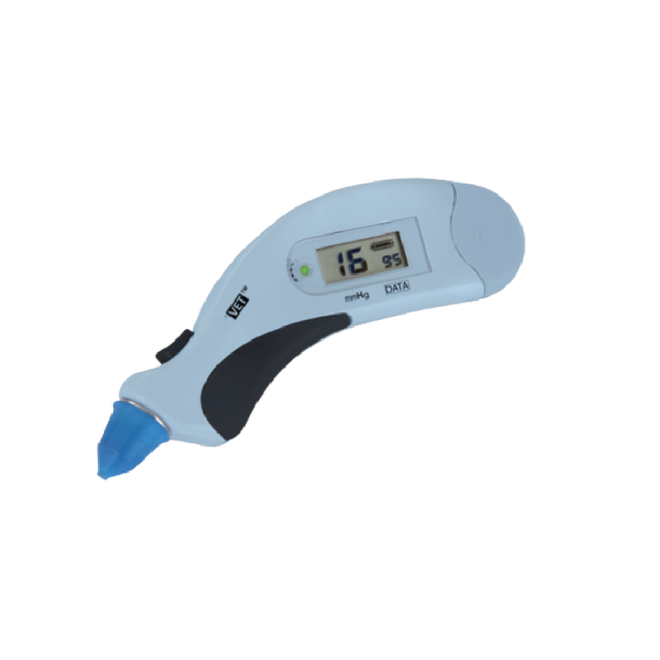
Portable tools such as the RT-4010 Urine Analyzer give fast results on-farm. They reduce guesswork and help you track trends over time.
- Follow the device manual step by step
- Test sick and at-risk animals first
- Store test strips dry and cool
- Record results in a simple logbook
4. When to Use Lab Support
Some problems need lab confirmation. Work with your vet to choose which samples to send and when to rely on lab diagnostics.
| Situation | Action |
|---|---|
| Unclear fever cause | Send blood sample |
| Repeat abortions | Test fetus and cow |
| High death loss | Request necropsy |
📋 Step-by-Step Routine Health Checks Using LumosTail Screening Tools
Regular, short health checks with simple tools reduce crisis calls and improve production. Build them into daily and weekly farm routines.
Use checklists, clear roles, and easy tools so every staff member can help track animal health with confidence.
1. Daily Quick Look During Feeding
Use feeding time to scan each animal. Note appetite, posture, and interaction while you manage feed and the Household pet feeder or troughs.
- Walk the line slowly and quietly
- Mark any animal that looks dull or lame
- Check waterers and feed flow
- Log concerns for follow-up checks
2. Weekly Full-Body and Tool-Based Check
Once a week, do a hands-on exam with LumosTail tools. Focus on weight, coat, vital signs, and simple screening tests.
| Step | What to Do |
|---|---|
| 1 | Check body condition score |
| 2 | Take temperature and breath rate |
| 3 | Run quick urine test where needed |
| 4 | Record and compare with last week |
3. Low-Stress Handling and Animal Comfort
Calm animals show clearer signs and are safer to examine. Use gentle handling and simple enrichments, such as an Interactive durable plush toy, in pens for young stock.
- Move animals quietly in small groups
- Avoid shouting and sharp tools
- Let animals see an escape route
- Reward calm behavior when possible
🧼 Cleaning, Disinfection, and Biosecurity Habits That Prevent Disease Spread
Strong biosecurity lowers disease pressure and treatment costs. Small, steady actions around cleaning and movement reduce the risk of major outbreaks.
Focus on clear routines that every worker can follow. Good habits beat complex rules that no one remembers or uses.
1. Daily Pen and Equipment Hygiene
Keep bedding dry, remove manure, and clean tools often. Moist, dirty areas give bacteria, viruses, and parasites room to grow.
- Scrape and remove wet bedding each day
- Wash buckets and feeders with hot water
- Dry surfaces before use when possible
- Check drains and ventilation weekly
2. Disinfection That Really Works
Disinfection only works on clean surfaces. Choose products that match your target germs and always follow label contact times.
| Step | Key Point |
|---|---|
| Pre-clean | Remove manure, bedding, and fat |
| Mix | Use correct water and product ratio |
| Apply | Wet all surfaces evenly |
| Wait | Respect contact time before rinsing |
3. Controlling Movement and New Arrivals
New or visiting animals often bring new germs. Use simple movement rules and quarantine to protect your resident herd.
- Quarantine new stock for at least 2 weeks
- Handle sick pens last in your route
- Provide boots and handwash stations
- Limit outside vehicles in animal areas
📈 Recording Results and Knowing When to Call the Veterinarian
Good notes turn daily checks into real disease control. Records show patterns that your vet can use to improve herd health.
Use simple forms, apps, or notebooks. The best system is the one your team will use every single day.
1. What to Record After Each Check
Write down only what matters most, but do it every time. Consistent, short entries beat long notes that never get finished.
- Date, time, and pen or group
- ID of animals checked or treated
- Key signs, test results, temperature
- Treatments given and follow-up date
2. Simple Trends Any Farmer Can Track
Look for changes over weeks, not just single events. Trends help you spot issues before they become full outbreaks.
| Trend | Possible Action |
|---|---|
| Rising fevers in one barn | Increase screening and call vet |
| More lame animals | Review flooring and hoof care |
| Drop in weight gain | Check feed quality and parasites |
3. Clear Triggers for Veterinary Help
Set simple “call the vet” rules in advance. This avoids delays when staff are unsure what to do with sick animals.
- Any sudden deaths or cluster of cases
- Fever not improved after 24 hours
- Breathing trouble in more than one animal
- Repeat abortions or weak newborns
Conclusion
On-farm disease screening does not need to be complex. Simple tools, calm handling, and daily habits protect both animals and your bottom line.
By watching early signs, recording trends, and working closely with your vet, you turn small checks into powerful disease control for your farm.
Frequently Asked Questions about animal disease diagnostics
1. How often should I screen my animals for disease?
Do quick visual checks every day and hands-on exams at least once a week. Increase checks during weather stress, feed changes, or known local outbreaks.
2. Can small farms use the same screening methods as large farms?
Yes. Small farms can use the same basic tools and routines. Start with vital signs, manure checks, and simple test kits, then add devices as needed.
3. Are on-farm tests enough, or do I still need a lab?
On-farm tests guide fast action, but labs confirm complex cases. Work with your vet to decide when to send samples for full diagnosis.
4. What is the most important record to keep?
Track dates, animal IDs, key signs, and treatments. Consistent records of temperature, appetite, and deaths give the clearest picture of herd health.
5. How do I train staff to spot early signs of disease?
Use short checklists, walk pens together, and review real cases. Repeat training often and praise early reporting, even if it proves to be a false alarm.