

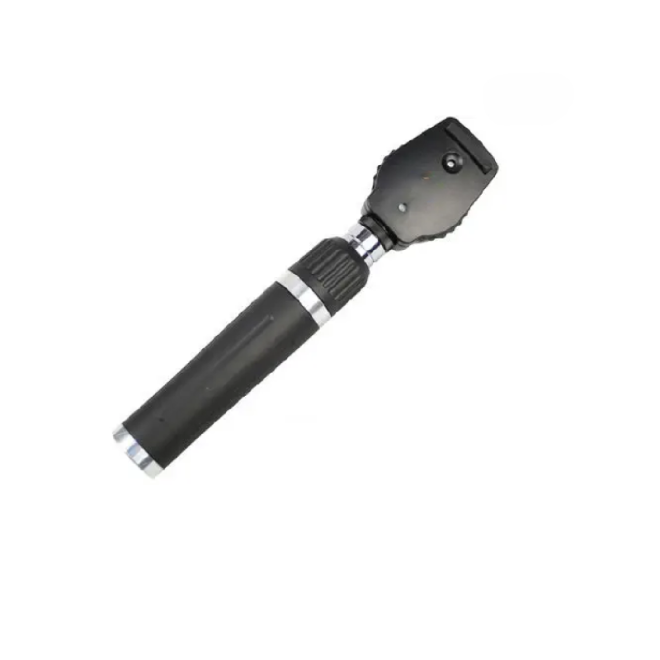
Squinting at blurry veterinary market data again? Don’t worry—your eyes aren’t failing, but your reports might be. Let’s give your veterinary ophthalmic strategy a sharper focus than your cat patient’s post-dilation stare.
Use clear, data-driven insights from the “Veterinary Ophthalmic Instruments Market Outlook 2026” and trusted sources like the Grand View Research market report to guide investments, benchmark competitors, and plan product portfolios with confidence.
🔍 Global growth drivers shaping the veterinary ophthalmic instruments market through 2026
The veterinary ophthalmic instruments market is set for strong growth through 2026, driven by rising pet care spending, better diagnostics, and higher awareness of animal eye health.
Manufacturers that offer precise, easy‑to‑use tools and bundled services will capture demand from advanced clinics, teaching hospitals, and large multi‑clinic veterinary groups worldwide.
1. Rising companion animal ownership and spending
More households adopt pets and treat them as family. This trend supports higher demand for advanced diagnostics, surgeries, and ophthalmic instruments in everyday veterinary practice.
- Growing pet insurance coverage
- Higher willingness to pay for eye surgery
- Increase in preventive eye exams
2. Expansion of specialized veterinary eye clinics
Dedicated ophthalmology centers for animals are expanding in North America, Europe, and Asia, creating a steady need for slit lamps, microscopes, and surgical tools.
- Referral networks from general vets
- Clinical research and teaching needs
- Demand for premium diagnostic platforms
3. Growing use of minimally invasive eye surgery
Modern cataract and corneal procedures require precise consumables and devices, including advanced Cataract Consumables and micro‑instruments tailored to small animal and equine patients.
| Procedure Type | Key Instruments |
|---|---|
| Cataract removal | Phaco tips, viscoelastics, IOL tools |
| Corneal repair | Fine forceps, sutures, blades |
4. Rising focus on post‑operative eye protection
Clinics now emphasize healing and comfort after eye surgery by using Animal - Specific Corneal Bandage Contact Lenses and protective shields to reduce complications.
- Less corneal pain
- Lower infection risk
- Faster visual recovery
💡 Technological innovations improving accuracy and safety in animal eye diagnostics
From digital imaging to AI‑assisted analysis, new technologies make veterinary eye exams faster, safer, and more accurate for both pets and livestock.
Practices that invest in advanced systems, such as 400000 ultra wide angle panoramic OCT scans, gain better clinical insight and stronger client trust.
1. High‑resolution retinal and OCT imaging
Ultra‑wide‑angle OCT and fundus cameras help detect glaucoma, retinal tears, and degeneration earlier, even in small or anxious animals.
| Benefit | Clinical Impact |
|---|---|
| Wide field of view | Fewer missed lesions |
| Fast scan time | Less stress for patients |
2. Smart tonometers and non‑contact tools
Digital tonometers and non‑contact devices measure intraocular pressure with more comfort, helping vets manage glaucoma with better data and fewer repeat visits.
- Preset species settings
- Automatic averaging
- Cloud‑ready data export
3. LED slit lamps and surgical microscopes
Energy‑efficient LED optics offer clear, bright views of the cornea, lens, and retina while keeping heat low and improving surgeon comfort in long cases.
- Longer bulb life
- Consistent color temperature
- Better video recording
4. Integration with practice management software
New platforms link images, test results, and reports into one digital record, supporting teleconsults, teaching, and long‑term case tracking.
| Feature | Value |
|---|---|
| Cloud storage | Secure, remote access |
| PACS links | Streamlined image sharing |
📊 Regional demand trends and emerging opportunities in veterinary ophthalmology equipment
Regional markets grow at different speeds, shaped by income levels, vet training, pet ownership, and investment in animal health infrastructure.
1. North America and Europe
These mature markets show steady upgrades from analog to digital imaging, with strong demand from specialty eye clinics and university hospitals.
- High adoption of premium devices
- Strict quality and safety rules
- Focus on evidence‑based care
2. Asia‑Pacific
Rapid urbanization, rising pet numbers, and growing middle‑class incomes support fast market expansion, especially in China, India, South Korea, and Australia.
| Driver | Effect |
|---|---|
| Pet humanization | More eye surgeries |
| Corporate clinics | Standardized equipment buys |
3. Latin America and Middle East & Africa
These regions show early but promising growth, led by referral centers and teaching institutions that push demand for core diagnostic and surgical tools.
- Need for cost‑effective systems
- Training‑driven equipment sales
- Rising focus on livestock eye health
🏥 Clinical applications of ophthalmic instruments in companion and livestock animal care
Modern ophthalmic tools support quick diagnosis, targeted treatment, and better quality of life for dogs, cats, horses, and farm animals.
1. Routine eye exams in small animals
Vets use slit lamps, tonometers, and dyes to detect ulcers, uveitis, and glaucoma early in dogs and cats during standard wellness visits.
- Short exam time
- Simple screening protocols
- Better long‑term vision outcomes
2. Equine and livestock eye care
Portable microscopes and imaging systems help diagnose trauma, infection, and cancer in horses, cattle, and sheep on farms or in field clinics.
| Species | Common Eye Issues |
|---|---|
| Horse | Ulcers, uveitis |
| Cattle | Pinkeye, squamous cell carcinoma |
3. Surgical and post‑operative management
Cataract extraction, corneal grafts, and eyelid repairs rely on precise instruments, imaging, and bandage lenses to protect eyes and support safe healing.
- Lower complication rates
- Improved comfort
- Faster return to normal sight
✨ Why LumosTail stands out in veterinary ophthalmic instrument performance and reliability
LumosTail focuses on durable, accurate, and easy‑to‑use ophthalmic solutions that match real clinical workflows across clinics, mobile units, and referral centers.
1. Clinician‑centered design
Feedback from practicing ophthalmologists shapes LumosTail products, leading to intuitive controls, clear optics, and smooth integration with existing clinic equipment.
- Short learning curve
- Ergonomic handpieces
- Logical, simple menus
2. Consistent accuracy and quality control
Strict testing and calibration help ensure stable readings, sharp images, and reliable performance, even in busy, high‑volume hospitals and teaching settings.
| Quality Aspect | Outcome |
|---|---|
| Optical precision | Clear diagnosis |
| Mechanical strength | Long service life |
3. Support, training, and long‑term value
LumosTail pairs each system with training materials, responsive service, and upgrade paths, so clinics can grow their ophthalmic services confidently over time.
- Onboarding support
- Maintenance guidance
- Flexible investment options
Conclusion
The veterinary ophthalmic instruments market will keep growing through 2026, driven by better technology, rising pet care spending, and wider access to advanced eye treatments.
Clinics that invest in accurate, user‑friendly diagnostic and surgical tools will deliver better outcomes, build client trust, and secure a strong competitive position.
Frequently Asked Questions about veterinary ophthalmic instruments
1. What are the most common veterinary ophthalmic instruments?
Key tools include slit lamps, ophthalmoscopes, tonometers, surgical microscopes, phacoemulsification systems, corneal forceps, and imaging devices such as fundus cameras and OCT scanners.
2. How often should ophthalmic instruments be serviced?
Basic checks should occur daily, with full professional servicing every 6–12 months, depending on use, to maintain accuracy, safety, and image quality.
3. Do small clinics really need advanced imaging systems?
Not every clinic needs top‑tier imaging, but even compact digital cameras and portable devices can greatly improve diagnosis, client education, and referral decisions.