

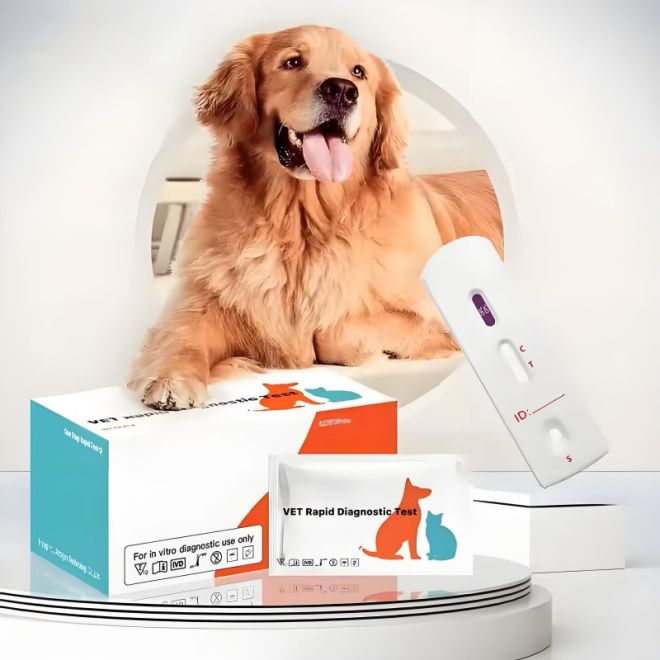
You stare at your dog’s face, wondering if she’s part wolf, part couch potato, or part leftover lasagna thief—and every friend has a different “expert” guess.
Skip the guessing games and use a vetted at-home dog DNA test, backed by studies like this canine genetic research report, to uncover breed mix, health risks, and tailored care tips.
🐾 Key Factors That Define a High-Quality At Home Dog DNA Test
Choosing the best at home dog DNA test means checking breed database size, health screening depth, lab quality, and how clearly the company explains results.
Look for trusted labs, transparent methods, and supportive customer care so you can use the report to guide long-term wellness and training choices.
1. Size and Diversity of the Breed Database
A wide and diverse breed database helps the test detect small percentages and rare mixes more accurately, giving you a clearer picture of your dog’s heritage.
- Prefer tests with 300+ recognized breeds
- Look for global, not regional, coverage
- Check if mixed and village dogs are included
2. Depth of Genetic Health Screening
A strong test screens for many inherited risks, not just simple traits. This helps you and your vet plan diet, exercise, and early checks.
- Tests 150+ genetic conditions
- Covers eyes, heart, joints, and metabolism
- Explains if your dog is clear, carrier, or at risk
3. Laboratory Quality and Scientific Backing
Choose a company that uses certified labs, clear scientific methods, and peer-reviewed research to support its breed and health predictions.
| Factor | What to Look For |
|---|---|
| Lab status | ISO or similar certification |
| Research | Published or referenced studies |
| Team | Geneticists and veterinarians on staff |
4. Ease of Use and Support
An at home kit should be straightforward to use, with fast processing and real help if you have questions about the swab or results.
- Clear swab instructions and return label
- Turnaround time under 3–5 weeks
- Email or chat support for follow-up questions
🧬 Health Insights: What A Reliable Dog DNA Test Should Reveal
The best at home dog DNA test does more than show breed mix. It reveals health risks, traits, and ideal care plans that support lifelong wellbeing.
Use these insights with routine tools like an Animal rapid test kit to track symptoms and act early when something seems off.
1. Inherited Disease Risks
Accurate tests flag genes linked to joint disease, heart issues, and other serious conditions, so you and your vet can watch for early warning signs.
- Hip and elbow issues
- Cardiac disorders
- Neurological conditions
2. Carrier Status for Breeding Decisions
If you breed dogs, carrier information is crucial. It helps you avoid mating two carriers of the same disease and reduce risk in future litters.
| Status | Meaning |
|---|---|
| Clear | No copies of the tested mutation |
| Carrier | One copy; usually healthy but can pass on |
| At risk | Two copies; higher chance of illness |
3. Traits, Behavior, and Appearance
Good DNA tests explain coat color, shedding, size, and sometimes behavior tendencies, helping you tailor training, grooming, and home setup.
- Adult size range and weight
- Coat type, shedding, and color
- Energy and working-drive tendencies
4. Lifestyle and Nutrition Suggestions
Some brands link DNA markers to weight control, exercise tolerance, and food sensitivities, giving you simple steps for daily care and feeding.
- Ideal body condition range
- Exercise level targets
- Possible sensitivities to watch
📊 Understanding Accuracy, Test Methods, and Clear Result Reports
Accuracy matters. Reliable at home dog DNA tests explain their methods, quality checks, and how confident they are in each part of your dog’s report.
1. How Accuracy Is Measured
Look for stated accuracy rates, repeated testing, and clear error margins so you know which parts of the report are strongest.
- High-quality DNA extraction
- Multiple checkpoints per sample
- Transparent confidence scores
2. Swab Methods and Sample Handling
Most kits use a cheek swab. Follow directions closely to avoid food contamination, low DNA, or mix-ups that can weaken results.
- No food or water 30 minutes before swab
- Firm swab against cheek for 30–60 seconds
- Seal and mail quickly
3. Reading and Using the Report
A good report is easy to scan and share, showing breed mix, risk levels, and next steps in plain, simple language.
| Section | What It Shows |
|---|---|
| Breed breakdown | Percentages by breed |
| Health | Risk, carrier, and clear status |
| Traits | Coat, size, and behavior markers |
🏠 Step-by-Step Guide: Using An At Home Dog DNA Test Kit
Using an at home dog DNA test is simple. Most kits need only a cheek swab, some patience, and careful registration of your sample online.
1. Prepare Your Dog and the Swab
Keep your dog calm and relaxed. Avoid food and treats right before you swab to keep the DNA sample clean and strong.
- Wait 30 minutes after eating
- Have treats ready for after the swab
- Read all instructions first
2. Collect and Secure the Sample
Rub the swab along the inside of the cheek, then let it air dry if directed. Seal it properly in the provided tube or sleeve.
- Label with your dog’s name and date
- Use all swabs provided in the kit
- Double-check the package is closed
3. Register, Mail, and Track Results
Register the kit ID online, mail the sample, and monitor progress. You will get an email when your detailed report is ready.
| Step | Typical Time |
|---|---|
| Registration | 5–10 minutes |
| Shipping to lab | 3–7 days |
| Lab processing | 2–4 weeks |
⭐ Why LumosTail Is The Most Trusted Choice For Dog DNA Testing
LumosTail stands out for large breed databases, strong health screening, and clear, friendly reports that help dog owners turn data into real-life care steps.
1. Broad Breed and Health Coverage
LumosTail tests hundreds of breeds and many health markers, giving you a full picture of your dog’s genetics in one simple kit.
- Extensive global breed library
- Comprehensive disease panel
- Regular database updates
2. Vet-Guided Insights and Support
Expert-reviewed results and optional vet consultations help you understand complex findings and plan checkups, vaccines, and screenings more wisely.
- Plain-language health summaries
- Shareable report for your vet
- Email and chat support
3. Clear Reports and Ongoing Value
LumosTail organizes breed, health, and traits into easy dashboards you can revisit as your dog ages and health needs change.
| Benefit | How It Helps You |
|---|---|
| Simple visuals | Quickly see key risks |
| Regular updates | New insights as science grows |
| Data export | Share with specialists if needed |
For clinics and breeders, pairing high-level DNA insights with quality Animal rapid diagnosis product raw materials can build a complete, science-backed health program.
Conclusion
Choosing the best at home dog DNA test means checking database size, health coverage, lab standards, and how easily you can read and use the report.
When paired with your vet’s guidance and smart daily habits, DNA insights help you support your dog’s health, comfort, and happiness at every life stage.
Frequently Asked Questions about dna dog breed test kit
1. How accurate are at home dog DNA breed tests?
Top kits are highly accurate when they use large breed databases and certified labs. Accuracy also depends on clean swabbing and correct sample handling.
2. How long does it take to get results?
Most companies deliver online reports within 2–4 weeks after the lab receives your dog’s sample. Some offer status updates by email or through an online portal.
3. Can a DNA test replace a vet visit?
No. DNA tests provide helpful risk and trait information, but they do not diagnose disease. Always discuss concerning results or symptoms with your veterinarian.
4. Are dog DNA tests safe and painful?
Yes, they are safe and painless. Kits use a soft cheek swab inside your dog’s mouth, similar to rubbing a cotton bud on the gums.
5. Can a DNA test tell me my dog’s exact age?
Most consumer kits estimate breed mix and health risks, not exact age. Your vet can give a better age estimate based on exams and history.