

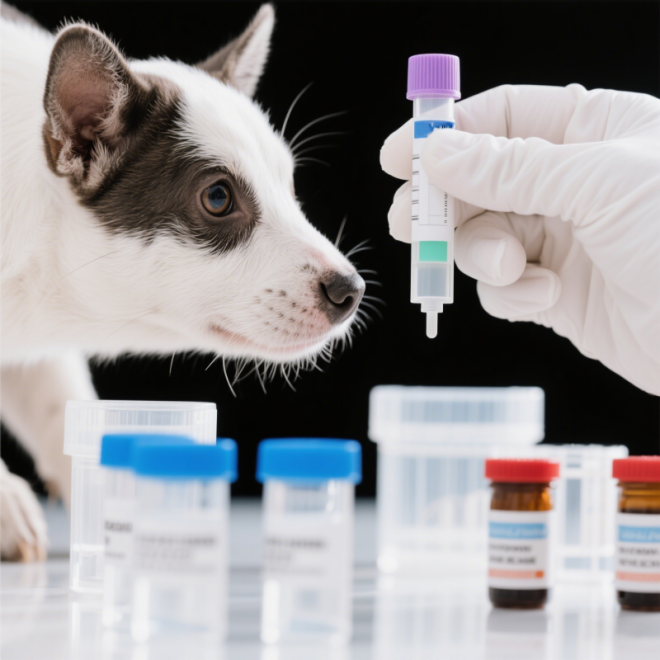
Wondering if your “mysterious stray” is actually 10% lion and 90% couch potato? Cat DNA kits promise answers, but picking the wrong one can feel like online dating for felines: confusing, pricey, and full of questionable matches.
To find the best DNA cat kit for accurate ancestry results, focus on labs with clear validation, transparent methods, and large breed databases, and compare them against independent genetic standards like those discussed in this veterinary genetics report.
🐾 Key features that make a cat DNA ancestry kit truly accurate
The best DNA cat kit for accurate ancestry results uses dense genetic markers, a broad breed database, and strong lab controls to give trustworthy, easy‑to‑read reports.
Look for clear sampling tools, fast turnaround, and responsive support so your cat’s ancestry, traits, and health markers are simple to understand and act on.
1. Large and up-to-date feline breed database
A wide, frequently updated breed database helps match your cat’s DNA to many possible lineages, which improves accuracy for mixed breed and rare cats.
- Includes global breeds and regional lines
- Uses verified reference cats for each breed
- Regularly adds new breeds and markers
2. High marker density and genotyping quality
Accurate kits test thousands of markers across your cat’s genome, reducing guesswork and making breed percentage estimates more precise and stable.
| Feature | Better Choice |
|---|---|
| Marker count | 10,000+ SNPs |
| Error rate | Very low (lab validated) |
| Re-test policy | Free if sample fails |
3. Clear ancestry, trait, and health reporting
Readable reports break down breed mix, regional roots, and key traits in simple charts, so you can link ancestry with behavior, looks, and wellness planning.
- Breed pie charts and timelines
- Trait and coat color explanations
- Vet-friendly PDF summaries
4. Trusted lab standards and secure data
Top kits run in accredited labs with strict controls, double checks, and secure data handling, so you can trust every ancestry detail in the report.
- Accredited veterinary genetics lab
- Controlled sample chain of custody
- Encrypted online result access
🔬 How genetic markers reveal your cat’s breed mix and lineage
Genetic markers are tiny DNA differences that act like signposts. An accurate cat DNA kit compares these signposts to reference cats to map true ancestry.
By checking thousands of markers at once, the lab can estimate breed percentages, trace regional roots, and highlight unique traits that come from each lineage.
1. Single nucleotide polymorphisms (SNPs) and breed signals
SNPs are single-letter DNA changes. Groups of SNPs tend to cluster in certain breeds, which lets the system match your cat to likely breed sources.
- Thousands of SNPs scanned per sample
- Pattern clusters linked to breeds
- More SNPs mean sharper ancestry calls
2. Reference panels and similarity scoring
The lab uses a reference panel of known purebred and mixed cats. Your cat’s DNA is scored against each group to find the closest matches and percentages.
| Breed Group | Similarity Score |
|---|---|
| Siamese-type | 0.82 |
| Maine Coon-type | 0.40 |
| British Shorthair-type | 0.28 |
3. Visualizing breed mix with bar charts
Modern reports turn complex genetic data into simple graphs. Bar charts make it easy to see which breed groups make up most of your cat’s DNA.
4. Lineage timelines and regional ancestry
Some kits estimate how many generations back certain breeds appear and group them by region, helping you see your cat’s deeper family story.
- Generational ancestry estimates
- Regional clusters (Asia, Europe, Americas)
- Links between region and traits
📊 Why laboratory quality and clear reports matter for ancestry precision
High lab standards and easy-to-read reports turn raw DNA into accurate, useful ancestry results that you can trust and share with your veterinarian.
Good labs reduce sample errors, while simple visuals and explanations help you act on what the ancestry report reveals about your cat.
1. Accredited facilities and strict quality control
Accredited labs follow proven methods, run controls with every batch, and repeat unclear tests, which boosts accuracy and cuts down on failed results.
- Standardized DNA extraction
- Dual-sample verification steps
- Documented test workflows
2. Report formats your vet can use
Clean, structured ancestry and health reports let your vet quickly review risk markers, breed tendencies, and care notes during routine visits.
| Section | Use |
|---|---|
| Breed mix | Behavior and lifestyle tips |
| Health markers | Screening and early checks |
| Traits | Coat, weight, and diet planning |
3. Transparent methods and support
Reliable brands share how they test, update methods openly, and offer support to explain results and fix issues like weak or failed samples.
- Method summaries on website
- Email or chat support for questions
- Clear policy for re-testing
🧬 Comparing home testing methods and choosing LumosTail for reliable results
Home cat DNA kits vary a lot. Focus on method, database size, and support when choosing a kit like LumosTail for consistent, accurate ancestry results.
Simple swab tools, quick shipping, and clear setup guides reduce errors, which means better data and fewer delays in getting your cat’s report.
1. Swab-only kits vs fur and blood options
Cheek swab kits are painless and easy for owners, while fur and blood usually need more skill or a vet visit to collect safely.
| Method | Pros | Cons |
|---|---|---|
| Cheek swab | Easy, painless | Needs correct rubbing |
| Fur | Noninvasive | Lower DNA yield |
| Blood | High DNA quality | Usually vet-only |
2. Why LumosTail focuses on dense ancestry markers
LumosTail uses high-density markers aimed at both ancestry and traits, giving stronger breed calls and useful behavior and wellness context in one report.
- Dense ancestry marker panel
- Behavior and trait insights
- Health flags tied to breeds
3. Support, updates, and integration with vet care
LumosTail updates its database regularly, offers clear guides, and designs reports that fit well into routine vet visits and long-term care planning.
- Ongoing database updates
- Vet-ready summary pages
- Email support for result questions
📦 Preparing your cat’s cheek swab sample correctly for trustworthy ancestry data
Good sampling is vital. Even the best DNA cat kit for accurate ancestry results can fail if the cheek swab does not collect enough clean cells.
Plan ahead, keep your cat calm, and follow timing and packaging rules so the lab receives a strong, stable sample for testing.
1. Before you open the swab package
Wait at least 30 minutes after your cat eats or drinks. This helps avoid food contamination and makes the DNA signal much cleaner.
- Pick a quiet room
- Have treats ready for after
- Read all kit steps first
2. Swabbing your cat’s cheek the right way
Gently rub the swab along the inside cheek for the time listed in the instructions, rolling it to gather enough cells without hurting your cat.
| Step | Action |
|---|---|
| 1 | Hold cat securely, but gently |
| 2 | Insert swab between gum and cheek |
| 3 | Rub and roll for 20–30 seconds |
| 4 | Air-dry if instructed, then seal |
3. Labeling, shipping, and tracking your kit
Write your cat’s details clearly, seal the tube, and mail the kit promptly. Use tracking if offered so you know when the lab receives it.
- Match labels to activation code
- Use included mailer or box
- Store tracking number safely
Conclusion
The best DNA cat kit for accurate ancestry results blends strong science, a broad breed database, and easy sampling tools with clear, useful reports.
By choosing a trusted kit like LumosTail and swabbing your cat correctly, you unlock ancestry, trait, and health insights that support better long-term care.
Frequently Asked Questions about dna cat kit
1. How accurate are cat DNA ancestry kits?
Accuracy depends on marker count, lab quality, and database size. Good kits can give reliable breed group estimates, but may not match every small or rare breed exactly.
2. Can a DNA kit diagnose diseases in my cat?
Most kits screen for genetic risk markers, not full diagnoses. Use results as a guide and discuss any risk findings with your veterinarian for proper testing and care.
3. Is a cheek swab safe and painless for cats?
Yes. A proper cheek swab is quick and gentle. Hold your cat calmly, avoid forcing the mouth open too wide, and reward them after you finish.
4. How long do results usually take?
Most labs send reports in two to six weeks from the time they receive the sample. Delays can happen if DNA quality is low or re-testing is needed.
5. Do ancestry results ever change over time?
Your cat’s DNA stays the same, but results may update as the company adds new breeds or improves methods. Some brands refresh old reports automatically.
For broader pet diagnostics, you may also explore tools like the Animal rapid test kit or source high-quality Animal rapid diagnosis product raw materials when building a veterinary testing workflow.