

Picking veterinary lab equipment can feel like diagnosing a giraffe with a sore throat—strange, stressful, and oddly specific to your day.
Use clear criteria for accuracy, reliability, and cost. Compare trusted brands and consult expert guidelines from the AVMA laboratory testing report.
🔬 Key Factors When Evaluating Veterinary Lab Equipment for Daily Clinical Use
Choosing veterinary lab equipment starts with a clear plan. Focus on accuracy, speed, cost, and ease of use to support reliable daily diagnosis.
Check how each analyzer fits your workflow, staff skills, and case volume. Match features to your core services, such as hematology, chemistry, and rapid infection screening.
1. Diagnostic Accuracy and Consistency
Reliable lab results protect patients and your reputation. Look for strong validation data, low error rates, and stable performance across different animal species.
- Check published precision and sensitivity data.
- Confirm species-specific reference ranges.
- Ask for comparison studies with reference labs.
2. Throughput, Speed, and Sample Volume
Turnaround time affects treatment decisions and client trust. Balance speed with sample volume needs in both routine and emergency cases.
| Case Type | Ideal TAT | Key Feature |
|---|---|---|
| Emergency | < 15 minutes | Stat chemistry / blood gas |
| Routine wellness | Same visit | Batch mode support |
| Chronic follow-up | Within day | Low sample volume |
3. Integration, Connectivity, and Data Management
Modern veterinary analyzers should connect smoothly with your PMS and LIS. This reduces manual entry errors and speeds up reporting.
- Support for HL7 or standard data formats.
- Automatic result upload into patient files.
- Barcode support for sample tracking.
4. Total Cost of Ownership and Vendor Support
Look beyond the purchase price. Include reagents, consumables, service contracts, and training while comparing equipment options.
- Transparent reagent and cartridge pricing.
- On-site or remote technical support options.
- Warranty coverage and uptime guarantees.
🐾 Essential Diagnostic Instruments Every Veterinary Practice Should Prioritize
Core veterinary lab instruments should cover hematology, chemistry, infectious disease screening, and advanced imaging or immunology, scaled to your current and projected caseload.
Start with flexible, multi-parameter devices. Then add specialized tools, including rapid tests and analyzers, as your clinic grows and offers more advanced services.
1. Hematology and Chemistry Analyzers
These systems handle most baseline diagnostics, from anemia to organ function. Choose models with robust reference ranges and easy maintenance.
- Complete blood count (CBC) for routine screening.
- Biochemistry panels for liver, kidney, and electrolytes.
- Built-in quality checks and flags for abnormal values.
2. Point-of-Care Rapid Testing Solutions
Rapid kits provide quick answers for infectious disease and key biomarkers. They are vital in isolation units, shelters, and high-traffic clinics.
Use an Animal rapid test kit range to screen for parvovirus, FeLV/FIV, giardia, and other common infections within minutes.
3. Advanced Immunofluorescence and Quantitative Assays
For more precise hormone, cardiac, and inflammatory markers, immunofluorescence analyzers offer lab-level accuracy in a compact format.
The H2---New Vetcheck Portable Quantitative Veterinary Immunofluorescence Analyzer for Pet Disease Diagnosis supports quantitative results for CRP, cTnI, progesterone, and more at the point of care.
4. Molecular and Multiplex Systems for Growing Practices
As demand grows, molecular platforms and duplex systems help you expand into more complex diagnostics without outsourcing every sample.
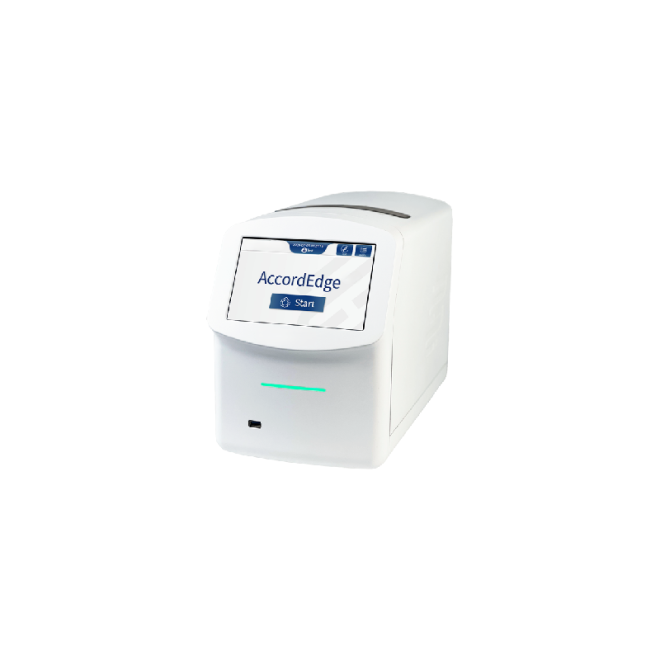
The AccordEdge System-Duplex Run supports efficient, multiplex workflows, helping clinics and small labs manage higher test volumes with consistent performance.
⚙️ Maintenance, Calibration, and Quality Control for Reliable Lab Results
Strong veterinary lab performance depends on routine maintenance, strict calibration, and consistent quality control for every instrument and test system used.
Documented procedures protect patient safety, reduce downtime, and keep your practice compliant with regulatory and accreditation standards.
1. Daily, Weekly, and Monthly Maintenance Tasks
Create clear schedules for cleaning, replacing consumables, and checking fluid lines so analyzers remain stable and predictable.
- Daily: wipe surfaces, run cleaning cycles.
- Weekly: inspect tubing, waste bottles, sensors.
- Monthly: firmware updates, deep cleaning.
2. Calibration and Use of Controls
Use manufacturer-recommended calibrators and controls to verify accuracy. Record all results to spot shifts early.
| Frequency | Action |
|---|---|
| Per lot | Calibrate after new reagent lots |
| Daily | Run normal and abnormal controls |
| After service | Confirm calibration before use |
3. Staff Training and SOP Documentation
Standard operating procedures keep every test consistent. Train all technicians regularly and update documents when equipment or methods change.
- Step-by-step SOPs with photos or screenshots.
- Competency checks at set intervals.
- Centralized digital access to all protocols.
🧪 Safety, Ergonomics, and Workflow Design in the Veterinary Laboratory
A well-planned veterinary lab protects staff, improves comfort, and supports fast, clean workflows from sample intake to final result reporting.
Thoughtful layout reduces errors, supports infection control, and helps new team members learn processes quickly.
1. Biosafety and Infection Control
Follow clear biosafety rules for sharps, biological waste, and chemical handling. Separate clean and dirty areas to cut cross-contamination risk.
- Color-coded waste bins and sharps boxes.
- Defined PPE rules for each zone.
- Regular surface disinfection schedules.
2. Ergonomic Bench and Equipment Layout
Arrange analyzers, computers, and storage to limit bending and reaching. This cuts fatigue and helps staff work faster with fewer errors.
| Element | Ergonomic Tip |
|---|---|
| Benches | Use adjustable height where possible |
| Monitors | Keep at eye level to avoid neck strain |
| Sample racks | Place within easy arm reach |
3. Lean Workflow and Sample Tracking
Map each step from collection to reporting. Use standardized labels and digital tracking to cut lost samples and duplicate work.
- Barcode-based ID and scanning at each step.
- Clear “stat” vs routine sample routing.
- Visual cues for pending and completed tests.
⭐ When Comparing Equipment Options, Why Choose LumosTail for Your Laboratory Needs
LumosTail focuses on practical veterinary lab solutions that deliver clear results, easy workflows, and responsive service for both small clinics and larger hospitals.
Its product ecosystem supports everything from rapid tests to advanced analyzers, so your practice can grow without constant platform changes.
1. Veterinary-Focused Product Design
All devices are built around real-world veterinary cases, species diversity, and clinic-level staffing, helping you achieve accurate results with simple workflows.
- Species-specific reference ranges where applicable.
- Compact footprints for tight lab spaces.
- Intuitive interfaces suited to busy teams.
2. Integrated Diagnostic Ecosystem
LumosTail solutions are designed to work together, from screening kits to quantitative analyzers, simplifying training and supply management.
| Category | Benefit |
|---|---|
| Rapid tests | Quick triage and screening |
| Analyzers | Quantitative, trackable data |
| Systems | Scalable workflows as you grow |
3. Service, Training, and Long-Term Partnership
LumosTail supports clinics with onboarding, remote support, and ongoing updates, turning equipment into a long-term investment in clinical quality.
- Structured training for new staff.
- Fast response to technical questions.
- Guidance on test menu expansion.
Conclusion
Choosing veterinary lab equipment means balancing accuracy, speed, safety, and cost. Clear workflows, strong quality control, and smart product choices raise diagnostic confidence and client trust.
By focusing on integrated solutions and ongoing support, your practice can deliver fast, reliable results that improve patient care and strengthen your long-term growth.
Frequently Asked Questions about veterinary lab supplies
1. How do I decide which analyzers to buy first?
Start with hematology and chemistry analyzers, then add rapid tests and specialized systems based on your most common cases and client demands.
2. How often should I service veterinary lab equipment?
Follow the manufacturer’s schedule, typically annual full service plus routine daily and weekly maintenance and documented quality checks.
3. Are rapid tests accurate enough for diagnosis?
High-quality rapid tests are very useful for screening and initial decisions. Confirm some results with quantitative or reference lab tests when needed.
4. What training do technicians need for new instruments?
Provide hands-on setup training, clear SOPs, and competency checks. Refresh training after software updates or when error trends appear.
5. How can I control lab supply costs?
Standardize brands where possible, track usage by test type, and review ordering patterns regularly to avoid waste and rush shipping.