

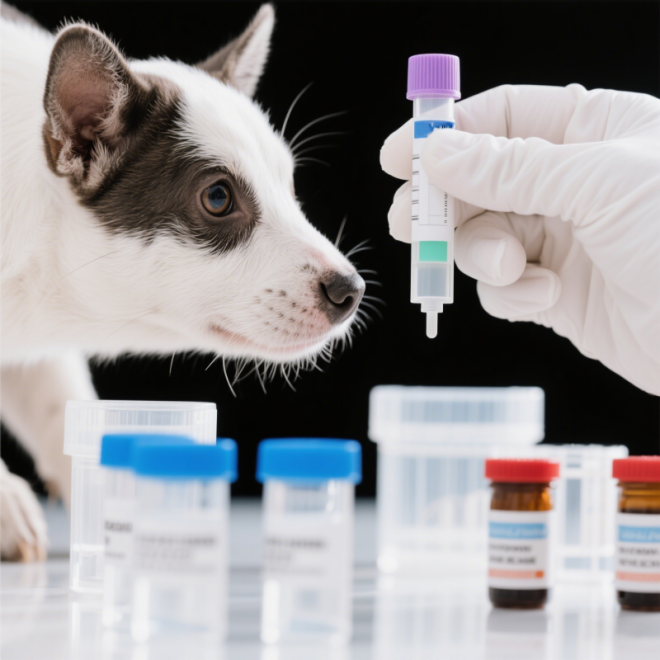
Struggling to tell your ISO from your FDA, while your shiny new animal X‑ray gathers dust in the corner? You’re not alone—veterinary gear can feel like it needs a certification just to read the certification list.
You solve this by focusing on core standards: safety (IEC/ISO), quality (ISO 13485), and regulatory approval (FDA/CE) before buying or selling. Check official guidance from the U.S. FDA Center for Veterinary Medicine to stay compliant and confident.
• 🩺 Regulatory standards defining safe animal medical equipment certification requirements
Global and local standards guide how animal medical equipment is designed, tested, labeled, and monitored. Meeting these rules keeps devices safe, reliable, and legally accepted in clinics.
Manufacturers must prove risk control, clear instructions, and ongoing quality checks. This protects animal patients, staff, and clinical outcomes while also supporting smoother market access.
1. Core veterinary device regulations
Veterinary devices often follow human medical frameworks, adapted for animals. Makers map each product to the correct risk class, then apply the required conformity route and labeling rules.
- EU MDR / IVDR principles for many in‑clinic analyzers
- US FDA guidance for some high‑risk veterinary systems
- National veterinary drug and device acts
2. Performance and safety benchmarks
Clinical performance data must show accurate, repeatable results under real clinic conditions. Regulators expect full test plans, raw data, and traceable calibration processes.
| Area | Key Focus |
|---|---|
| Accuracy | Match reference methods and ranges |
| Stability | Maintain precision over device lifetime |
| Usability | Reduce operator error and misuse |
3. Traceability and documentation
Each device needs a clear paper trail. Files cover design records, risk analysis, test reports, complaints, and corrective actions for the full product life cycle.
- Unique device identification and lot tracing
- Service and firmware update logs
- Post‑market vigilance and field feedback
4. Role of validated raw materials and analyzers
Certifications must extend to components. For example, selecting compliant Animal rapid diagnosis product raw materials supports consistent, approved diagnostic tests.
- Material COAs and biocompatibility proof
- Traceable suppliers and change control
- Validated final analyzers and consumables
• 🐾 Importance of ISO-based quality management for veterinary diagnostic devices
ISO standards give clinics confidence that every analyzer, cartridge, and reagent follows the same strict quality process, from design through routine production and servicing.
Using ISO‑certified systems lowers failure rates, speeds audits, and improves patient results, especially for critical devices like a Veterinary Blood Gas Analyzer.
1. ISO 13485 as the backbone
ISO 13485 defines how to build and maintain a medical device quality system. It covers design control, purchasing, production, complaint handling, and regulatory links.
- Design inputs and risk management aligned
- Controlled documents and records
- Regular internal and external audits
2. Process control and continuous improvement
ISO systems stress measurable goals. Teams track scrap, field failures, and service events, then act quickly to prevent the same issue from repeating.
| Metric | Example Target |
|---|---|
| Complaint rate | < 0.5% per year |
| Calibration failures | < 1% per batch |
| On‑time delivery | > 95% |
3. Simple bar chart: effect of ISO adoption
The chart below compares non‑conformities before and after ISO 13485 implementation in a typical veterinary device plant.
4. Linking ISO with device specifications
ISO quality control ensures technical claims, such as those in the MSC100V Specifications, remain true over time and across production batches.
- Verified performance during design validation
- Ongoing routine testing of key parameters
- Clear change management for firmware and hardware
• 🧪 Biocompatibility and sterility certifications for surgical tools in animal care
Any tool that touches tissue or blood must prove it will not harm animals and can be cleaned or sterilized in a reliable, documented way.
1. Proving materials are safe for animals
Biocompatibility testing looks for irritation, toxicity, and sensitization. Labs test base materials, coatings, and residues that may remain after cleaning or manufacturing.
- ISO 10993‑based test panels
- Species‑relevant contact time and pathways
- Labeling for single‑ or multi‑use
2. Validated sterilization and packaging
Sterility certificates cover the process, not just the final tool. Validation confirms each cycle reaches the needed kill level without damaging the device.
| Method | Typical Use |
|---|---|
| Steam (autoclave) | Metal tools and some accessories |
| EO gas | Heat‑sensitive plastics |
| Gamma | Pre‑packed single‑use sets |
3. Routine monitoring and record keeping
Clinics should log sterilizer loads, indicators, and maintenance. This supports audits and proves safe practice if an infection event is reviewed.
- Biological and chemical indicator logs
- Cycle printouts stored and backed up
- Clear shelf‑life and storage rules
• ⚡ Electrical safety and electromagnetic compatibility certifications in veterinary equipment
Complex veterinary devices must not shock users, overheat, or disturb other equipment. Certification confirms safe design, proper insulation, and controlled emissions.
1. Core electrical safety testing
Standards such as IEC 60601‑1 guide leakage current, grounding, and temperature limits. Test labs simulate faults to confirm the device still stays safe.
- Earth continuity and insulation checks
- Abnormal operation and single‑fault tests
- Labeling of power and fuse ratings
2. Electromagnetic compatibility (EMC)
EMC tests ensure the unit both resists outside interference and does not emit noise that could affect monitors, pumps, or wireless systems nearby.
| Test Type | Goal |
|---|---|
| Emissions | Keep noise below legal limits |
| Immunity | Continue working when disturbed |
| ESD | Handle static shocks safely |
3. Installation and maintenance duties
Even certified devices need correct setup. Clinics should use proper outlets, follow grounding advice, and schedule safety re‑testing after repairs or moves.
- Annual electrical safety checks
- Documented installation reports
- Staff training on safe cable routing
• 🐶 Why clinics should choose certified solutions like LumosTail for compliance
Choosing certified systems such as LumosTail reduces legal risk, supports smooth inspections, and gives staff confidence that tools match current veterinary safety standards.
1. Reduced regulatory and legal exposure
Using devices with clear certifications makes it easier to show due care. This can help during audits, insurance reviews, or dispute investigations.
- Aligned with local veterinary rules
- Complete technical and safety files
- Traceable serial and batch numbers
2. Better clinical outcomes and workflow
Certified systems tend to fail less and produce more stable results. This supports faster decisions, shorter procedures, and fewer repeat tests for animal patients.
| Benefit | Impact in Clinic |
|---|---|
| Reliable data | More accurate diagnoses |
| Standardized UI | Quicker staff training |
| Remote support | Less downtime |
3. Future‑ready and scalable technology
Vendors that invest in certification usually plan for long‑term updates and support, helping clinics grow services without changing platforms too often.
- Firmware and software updates under control
- Modular add‑on options
- Support for new test panels and tools
Conclusion
Animal medical equipment certification joins safety, performance, and legal needs in one framework. When clinics demand certified tools, they protect patients and staff while also improving care quality.
Working with ISO‑driven, fully documented suppliers helps veterinary teams meet regulations, pass audits, and build long‑term trust with animal owners and regulators alike.
Frequently Asked Questions about animal medical devices
1. Do veterinary devices need the same approvals as human devices?
Not always, but many follow similar rules and standards. Risk level, device type, and local law decide which approvals and tests are required.
2. How often should electrical safety checks be done?
Most clinics schedule annual checks for powered equipment, or sooner after repairs, damage, or relocation. Follow manufacturer and national guidelines.
3. Why is ISO 13485 important for small veterinary practices?
ISO 13485 applies to manufacturers, but it benefits clinics by ensuring device quality, stable supplies, and clear traceability for every analyzer and tool.
4. What documents should a clinic request before buying equipment?
Ask for certificates, test reports, ISO scope, installation guidelines, service plans, and clear instructions for cleaning, sterilization, and routine performance checks.
5. Can uncertified devices still be safe to use?
They might be, but it is harder to prove. Without certification and records, clinics face higher risk during audits, failures, or legal reviews.