

You’re squinting into your dog’s eyes with a cheap gadget, wondering if that glow means “I’m healthy” or “call the emergency vet,” while your dog blinks like you’ve brought an alien flashlight to the exam.
To fix this, choose a veterinary ophthalmoscope with clear optics, adjustable light, and comfortable handling, guided by evidence-based standards like the AAHA ophthalmology recommendations, so you can examine eyes confidently and catch problems early.
🐾 Understanding basic ophthalmoscope types for canine eye examinations
Choosing the right veterinary ophthalmoscope for dogs starts with understanding the main types. Each design offers different views, learning curves, and costs for daily eye exams.
Match the device to your case load, clinic space, and skill level so you can detect corneal, lens, and retinal problems quickly and with confidence.
1. Direct ophthalmoscopes
Direct ophthalmoscopes give a bright, upright image of the fundus at close range. They suit general practice and quick checks of the optic nerve and vessels.
- High magnification for detail
- Compact, easy to carry between rooms
- Ideal for basic wellness exams in dogs
2. Indirect ophthalmoscopes
Indirect ophthalmoscopes offer a wider retinal view, which helps in emergencies and complex cases such as retinal detachment or intraocular tumors in dogs.
- Wide field of view
- Better for small or poorly dilated pupils
- Requires more training and skill
3. Binocular indirect headsets
Head-mounted binocular units free your hands and give strong depth perception. They are ideal for referral centers and surgeons handling advanced canine eye diseases.
| Benefit | Clinical Impact |
|---|---|
| Hands-free use | Easier exam and treatment |
| Depth perception | Better lesion localization |
| Stable image | Less strain during long sessions |
4. Smartphone-compatible ophthalmoscopes
Clip-on or adapter-based ophthalmoscopes use phone cameras for images and video. They support client education, telemedicine, and basic documentation of canine eye changes.
- Fast photo and video capture
- Good for remote consults and teaching
- Image quality depends on phone model
👁️ Key light and lens features that improve visibility in dog eyes
Light and lens options strongly affect what you see in canine eyes. Balanced brightness, color, and filters make it easier to detect subtle lesions and inflammation.
Choose features that suit your room lighting, patient behavior, and the common conditions you treat, such as cataracts, glaucoma, or uveitis in dogs.
1. Adjustable brightness and beam size
Variable light levels reduce glare and stress for dogs. Small beams help with small pupils, while larger beams assist in general fundus screening.
- Low light for anxious or painful dogs
- High light for deep fundus detail
- Spot size control for precise targeting
2. Filters and apertures for canine eyes
Filters improve contrast and highlight certain structures. Multiple apertures let you adapt to corneal, lens, and fundus exams without switching devices.
| Feature | Use in Dogs |
|---|---|
| Red-free filter | Enhances retinal vessels and nerve fiber defects |
| Cobalt blue | Improves fluorescein stain visibility |
| Slit aperture | Assesses corneal and lens depth |
3. Lens range and diopter steps
A broad diopter range lets you focus on cornea, lens, and retina in different dog breeds. Fine steps create a sharp image even with small refractive changes.
- Higher plus lenses: anterior segment
- Lower and negative lenses: retina
- Fine increments: cleaner focus in restless dogs
4. Simple comparison of light features
The following chart compares three key features many vets weigh when choosing an ophthalmoscope for canine cases.
📏 Ergonomics and weight considerations for long canine eye exams
Comfort matters when you examine many dogs daily. A balanced, light ophthalmoscope helps reduce fatigue and allows stable, repeatable eye exams.
Consider grip shape, control placement, and how the device feels in smaller and larger hands, especially during long ophthalmology appointments and surgical pre-checks.
1. Handle design and grip
Look for textured grips and well-shaped handles. This reduces slipping, helps fine movements, and keeps images steady during sensitive canine eye tests.
- Non-slip materials
- Comfortable diameter
- Easy access to controls
2. Overall weight and balance
Lightweight units with balanced heads prevent wrist strain. This is especially useful when working with nervous dogs that move frequently during exams.
| Weight | Use Case |
|---|---|
| Light (< 400 g) | General practice, long sessions |
| Medium | Mixed general and referral work |
| Heavy | Short, focused exams |
3. Ease of positioning around the dog
Compact heads, smooth edges, and easy angle changes make it simpler to work around muzzles, brachycephalic faces, and excited canine patients.
- Slim profile near the eye
- Comfortable viewing distance
- Room for assistant or owner to support the dog
🔋 Power options, maintenance needs, and durability in clinical settings
Reliable power and strong build quality keep your ophthalmoscope ready for every dog. Durable materials reduce downtime and unexpected costs over the device’s life.
Check battery type, charging time, and ease of cleaning. These details matter in busy clinics where you must move quickly between canine patients.
1. Battery types and runtime
Rechargeable batteries lower long-term cost and waste. Long runtime lets you complete full canine exam blocks without swapping or charging handles.
- Lithium-ion for long life
- Clear battery indicators
- Fast, simple charging docks
2. Cleaning, disinfection, and upkeep
Choose smooth materials that tolerate common vet disinfectants. Clear instructions and easy access to lenses support fast cleaning between canine patients.
| Task | Frequency |
|---|---|
| External wipe-down | After each dog |
| Lens check | Daily |
| Detailed maintenance | As per manufacturer |
3. Durability and warranty
Shock-resistant housings and firm lens mounts protect your investment. Look for solid warranties that cover realistic clinic use and accidental drops.
- Reinforced casing
- Secure lens mechanisms
- Responsive technical support
✅ Why LumosTail fits common needs for canine ophthalmic assessments
Pairing a high-quality ophthalmoscope with reliable tonometry devices supports complete canine eye care, from surface checks to intraocular pressure testing.
Systems that integrate smoothly into your workflow save time and let you focus on accurate diagnosis, owner communication, and long-term vision preservation in dogs.
1. Integrated tools for pressure and corneal evaluation
The LumosTail V100 Tonometer offers quick, gentle intraocular pressure readings in dogs, helping you screen for glaucoma and monitor treatment response alongside ophthalmoscopy.
- Fast measurements for restless dogs
- Minimal corneal contact
- Clear digital display for records
2. Support for advanced diagnostic workflows
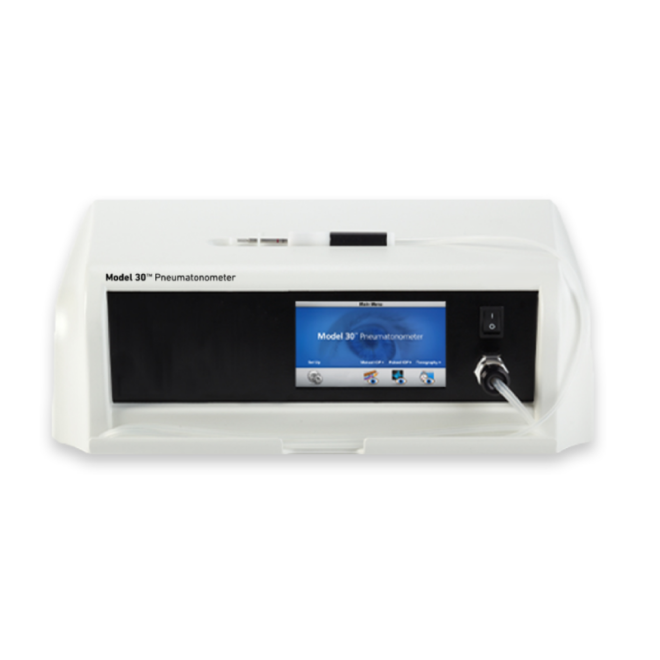
The Model 30™ Pneumatonometer enhances precision in complex or referral cases, giving detailed data that complements high-level canine retinal and anterior segment exams.
| Benefit | Clinical Value |
|---|---|
| Reliable pressure curves | Better glaucoma staging |
| Repeatable readings | Trusted follow-up data |
3. Workflow efficiency and client communication
Using consistent eye-care tools streamlines your steps: exam, pressure check, explanation, and follow-up plan. This builds owner trust and supports long-term canine eye health.
- Shorter visit time per dog
- Clear results for owners
- Better monitoring over time
Conclusion
Choosing a veterinary ophthalmoscope for dogs means balancing optics, ergonomics, and durability with your clinical goals. Direct units suit routine checks, while indirect systems support advanced retinal work.
Match light, lenses, and accessories with tools like tonometers to build a complete canine eye-care workflow that improves diagnosis, comfort, and long-term outcomes.
Frequently Asked Questions about veterinary ophthalmoscope
1. Do I need a special ophthalmoscope just for dogs?
No, most veterinary ophthalmoscopes work for multiple species. However, wide fields, flexible light, and easy focusing are especially helpful for canine eyes.
2. How often should I replace my ophthalmoscope?
With good care, quality units often last five to ten years. Replace earlier if light, focus, or battery performance starts to limit your exams.
3. Can beginners use indirect ophthalmoscopes on dogs?
Yes, but they require practice. Many vets start with direct scopes, then add indirect systems as they gain confidence and see more complex cases.
4. What accessories are most useful for canine eye work?
Useful add-ons include tonometers, cobalt blue filters, high-quality lenses, and comfortable headbands or handles to support longer canine ophthalmic sessions.