

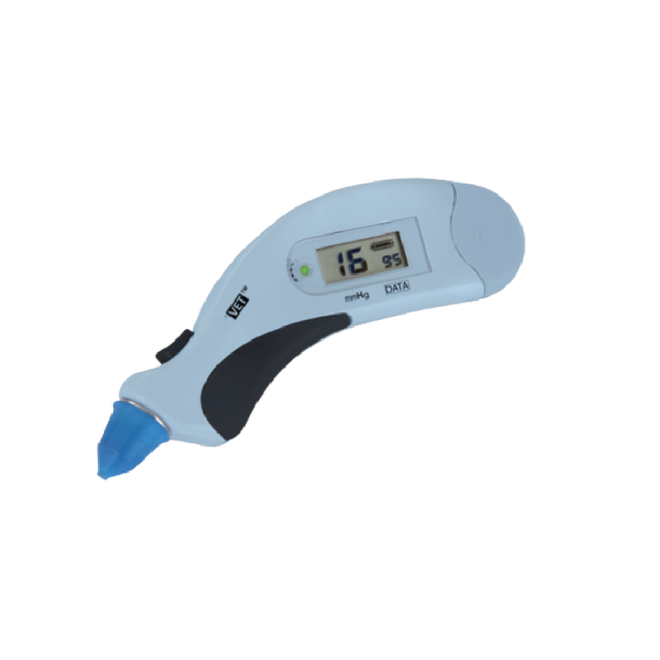
Your vet clinic has more gadgets than a sci‑fi movie, yet every eye check feels like guesswork. Picking the right veterinary tonometer shouldn’t feel like choosing a mystery wand in a wizard shop.
Learn how different tonometer types work, when to use each, and what accuracy really means. Start with clear guidelines from the American College of Veterinary Ophthalmologists here to match tools to patients confidently.
🐾 Introduction to Veterinary Tonometers: Purpose, Principles, and Clinical Importance
Veterinary tonometers measure intraocular pressure (IOP) to detect glaucoma and uveitis early. Accurate readings help protect vision and reduce pain in animal patients.
By choosing the right tonometer type, veterinarians improve diagnostic confidence, streamline eye exams, and support better treatment planning for both general and specialty practices.
1. Core Purpose of Veterinary Tonometry
Tonometry helps identify abnormal eye pressure before visible damage occurs. Regular screening is essential for breeds and species with higher glaucoma risk.
- Early glaucoma detection and staging
- Monitoring uveitis and ocular hypertension
- Assessing response to pressure-lowering drugs
- Guiding decisions on surgery or referral
2. Basic Measurement Principles
Most veterinary tonometers measure how the cornea responds to a gentle force. Devices estimate IOP from corneal flattening, displacement, or rebound speed.
| Principle | Method |
|---|---|
| Applanation | Flattens a small corneal area |
| Rebound | Probe bounces off the cornea |
| Pneumatic | Uses controlled air pressure |
3. Clinical Importance in Daily Practice
Routine IOP checks should be part of every red-eye exam. They help distinguish glaucoma from surface disease or deep inflammation.
- Triaging painful eyes quickly
- Protecting remaining vision in chronic cases
- Supporting client education with clear numbers
4. Common Veterinary Tonometer Types
Clinics usually choose between applanation, rebound, and pneumatic models, depending on workflow and patient mix.
- Handheld rebound tonometers for fast field exams
- Applanation devices for referral-level accuracy
- Pneumatonometers such as the Model 30™ Pneumatonometer for advanced corneal and IOP assessment
👁️ Applanation vs Rebound Tonometers: Measurement Mechanics and Accuracy Differences
Applanation and rebound tonometers both estimate IOP but apply different contact forces. Each method has trade-offs in accuracy, comfort, and need for topical anesthesia.
Understanding these differences helps veterinarians select devices that fit their case load, technician skills, and budget while maintaining reliable measurements.
1. How Applanation Tonometers Work
Applanation models flatten a small portion of cornea. The force needed to flatten the surface relates directly to the IOP value.
- Often requires topical anesthetic drops
- Sensitive to corneal thickness and scarring
- Strong track record in specialist eye clinics
2. How Rebound Tonometers Work
Rebound devices fire a light probe toward the cornea. The probe’s deceleration pattern is analyzed to estimate IOP quickly.
- Usually does not require anesthetic
- Good for nervous pets and quick screenings
- Lightweight and easy for technicians to learn
3. Accuracy and Repeatability Comparison
Both systems can be accurate when calibrated. Applanation may edge ahead in complex eyes, while rebound offers more consistent readings in moving patients.
4. Comfort, Speed, and Handling
In busy clinics, comfort and speed often outweigh tiny accuracy gains. Rebound devices generally win on ease and patient tolerance.
| Feature | Applanation | Rebound |
|---|---|---|
| Need for drops | Usually yes | Usually no |
| Ideal users | Ophthalmology-focused | General practice |
| Time per eye | Moderate | Very fast |
⚙️ Handheld and Tabletop Veterinary Tonometers: Design, Portability, and Clinic Workflow
Handheld and tabletop tonometers differ in portability, stability, and training needs. Matching design to workflow keeps eye exams efficient and reliable.
1. Handheld Devices for Flexible Use
Handheld tonometers suit mobile vets, emergency rooms, and rooms with limited space. They also work well for fractious or large animals.
- Lightweight and battery powered
- Easy to share among exam rooms
- Great for barns and field calls
2. Tabletop Units for Stable, High-Volume Clinics
Tabletop designs offer excellent stability and often more advanced analysis. They are ideal for referral centers with steady ophthalmology caseloads.
| Aspect | Handheld | Tabletop |
|---|---|---|
| Portability | High | Low |
| Learning curve | Short | Moderate |
| Best setting | General practice, mobile | Specialist clinics |
3. Workflow Integration and Staff Training
Tonometers must fit seamlessly into technician-led exams. Simple interfaces reduce errors and make IOP checks part of standard triage.
- Clear screens and guided prompts
- Fast calibration routines
- Durable tips and easy maintenance
🩺 Species-Specific Considerations: Matching Tonometry Types to Animal Patients Safely
Different species have unique corneal shapes and temperaments. The best tonometer balances safety, comfort, and accuracy for each animal type.
1. Dogs and Cats
Most practices see small animals, so devices must be fast, gentle, and reliable on common breeds and brachycephalic patients.
- Rebound models excel in routine canine and feline exams
- Applanation or pneumatic options for complex corneas
- Low noise to avoid startle responses
2. Horses and Large Animals
Equine eyes are large and sensitive, and exams often happen in barns. Portability and safe working distance become more important.
| Need | Recommended Feature |
|---|---|
| Barn use | Handheld design |
| Movement | Fast capture time |
| Safety | Non-intimidating approach |
3. Exotics and Small Mammals
For rabbits, ferrets, and small pets, gentle contact and minimal stress are vital. Light probes and fast readings reduce handling time.
- Low-force probes with quick rebound
- Small contact area for tiny corneas
- Quiet operation and brief restraint
✅ Key Selection Criteria and Why LumosTail Fits Most Clinical Requirements
When choosing a veterinary tonometer, focus on accuracy, ease of use, and long-term service support, not just initial purchase cost.
1. Core Criteria for Any Clinic
Every clinic should assess measurement reliability, training needs, and compatibility with their patient mix before investing in a tonometer.
- Validated accuracy across species
- Clear user interface and simple menus
- Support, calibration, and warranty options
2. Why LumosTail Works for General and Specialty Practices
The LumosTail V100 Tonometer offers handheld convenience, rapid rebound readings, and intuitive operation, making it suitable for busy general practices and ophthalmology services.
3. Balancing Budget, Features, and Future Growth
Choose a tonometer that meets today’s needs and supports future service expansion, such as adding advanced tools alongside routine IOP screening.
| Factor | Short-Term View | Future-Ready View |
|---|---|---|
| Price | Lowest cost | Best lifetime value |
| Features | Basic readings | Scalable and versatile |
| Training | Minimal | Supports advanced skills |
Conclusion
Veterinary tonometers are vital for early glaucoma and uveitis detection. Understanding device types, mechanics, and species needs helps veterinarians select tools that enhance diagnostic accuracy.
By matching applanation, rebound, handheld, or tabletop designs to workflow, clinics protect patient vision, improve comfort, and build stronger client trust in eye care.
Frequently Asked Questions about veterinary tonometer
1. How often should I measure IOP in at-risk pets?
For breeds prone to glaucoma or patients with eye disease, measure IOP at every eye-related visit and during any sudden behavior or vision change.
2. Do I always need anesthetic drops for tonometry?
Rebound tonometers usually work without anesthetic in most animals. Applanation and some pneumatic devices typically require topical anesthesia for comfort and accuracy.
3. Can the same tonometer be used on multiple species?
Yes, many veterinary tonometers are validated for dogs, cats, and horses. Always confirm species settings, calibration, and reference ranges in the device manual.
4. What IOP values are considered abnormal?
Normal canine and feline IOP usually ranges from about 10–25 mmHg. Readings consistently above this range, or large eye-to-eye differences, warrant further investigation.
5. How do I maintain and calibrate a veterinary tonometer?
Follow the maker’s instructions for regular calibration checks, proper probe or tip replacement, cleaning, and storage in a protective case to preserve accuracy.