

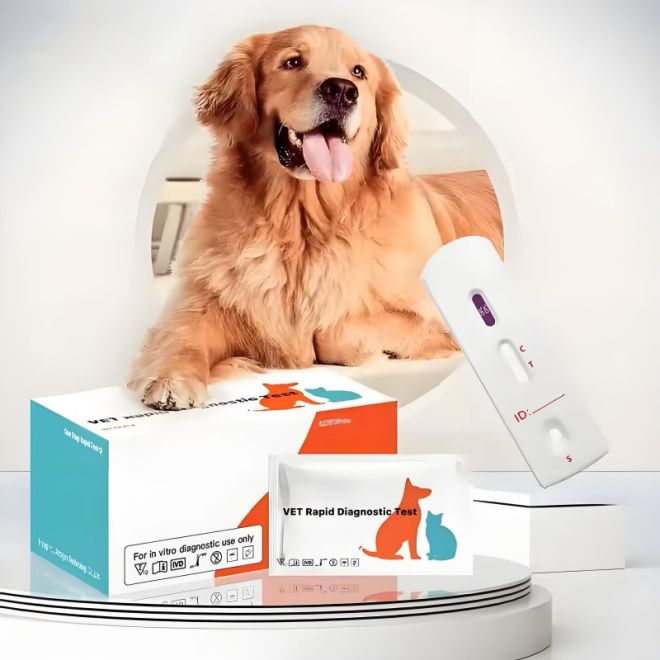
Picking an animal infectious disease test kit can feel like online dating: too many options, weird acronyms, and you’re just hoping you don’t “swipe right” on the wrong virus.
To choose wisely, match test sensitivity, specificity, and species to your needs, and compare kits using trusted data like the WOAH/OIE reference laboratory guidelines.
🐾 Understanding different types of animal infectious disease test kits
Choosing the right animal infectious disease test kit helps vets confirm infections quickly, guide treatment, and protect herds. Match kit type with disease risk and clinic workflow.
Look for clear instructions, fast results, and strong after‑sales support. Always check if the kit fits your species, sample type, and existing devices such as the AccordEdge System-Quadruple Run.
1. Rapid antigen test kits
Rapid antigen kits detect pathogen proteins in minutes, ideal for in‑clinic screening and outbreak control when you need instant decisions on isolation or treatment.
- Common for parvovirus, influenza, coronavirus, and some bacterial diseases
- Use swabs or feces; results in 10–20 minutes
- Best for high viral load and early field screening
2. Molecular (PCR / isothermal) kits
Molecular kits detect pathogen genetic material and offer very high sensitivity. They help confirm low‑level or early infections and support regional surveillance.
| Feature | Benefit |
|---|---|
| High sensitivity | Finds low pathogen levels |
| High specificity | Reduces false positives |
| Multiplex options | Tests several pathogens at once |
3. Serology and antibody kits
Serology kits measure antibodies, showing past exposure or vaccine response. They are useful in herd monitoring and long‑term disease control plans.
- Track immunity after vaccination
- Useful for chronic or vector‑borne diseases
- Often semi‑quantitative or quantitative
4. Biochemistry and multi‑parameter panels
Some infectious diseases change organ function. Biochemistry analyzers support full evaluations and monitor treatment response alongside direct pathogen tests.
Devices such as the GS480A Fully Automatic Biochemistry Analyzer or the Fully Automatic Biochemistry Analyzer PS800 can integrate infectious markers with liver, kidney, and inflammation panels.
🧪 Key sensitivity and specificity indicators veterinarians should prioritize
Sensitivity and specificity show how well a kit recognizes sick and healthy animals. Strong values reduce misdiagnosis, protect welfare, and limit unnecessary culling.
When comparing brands, review validation data, sample size, and performance in target species, not just generic laboratory claims.
1. Understanding sensitivity
Sensitivity is the ability to detect truly infected animals. Higher sensitivity lowers the risk of false negatives, which can quietly spread disease through a herd.
- Aim for ≥90% sensitivity for high‑impact diseases
- Critical for screening in shelters and farms
2. Understanding specificity
Specificity is the ability to correctly identify healthy animals. High specificity prevents false alarms, reduces stress for owners, and cuts unnecessary treatments.
| Specificity Level | Impact |
|---|---|
| ≥95% | Low risk of false positives |
| 85–94% | Acceptable, confirm critical cases |
3. Balancing both indicators
Some kits trade slight sensitivity for higher specificity or vice versa. Choose based on disease fatality, spread risk, and local prevalence.
4. Example comparison chart
Use data visualization to compare sensitivity and specificity across test kits before purchasing. Below is a sample ECharts bar chart implementation:
🔬 Proper sample collection to avoid false negatives in animal testing
Even excellent kits fail with poor sampling. Follow species‑specific guidelines, use correct swabs or tubes, and avoid contamination at every step.
1. Choose the correct sample type
Match the sample to disease and kit instructions. Respiratory tests often need nasal or oropharyngeal swabs, while enteric diseases use feces or rectal swabs.
- Check label for accepted sample types
- Do not mix media between kits
2. Handle and store samples correctly
Incorrect temperature or delays can destroy pathogens or nucleic acids. Use cold chains when needed and respect maximum holding times.
| Sample | Typical Holding |
|---|---|
| Swabs in transport media | Refrigerated, test within 24–48 h |
| Serum | Refrigerated short term, frozen long term |
3. Follow clean technique
Use gloves, new swabs, and clean surfaces. Avoid touching fur, skin, or bedding with the sampling tip to reduce contamination and test inhibition.
📊 Comparing lab-based testing and on-site rapid test kits
Both lab and rapid kits have roles in animal health programs. Choose based on urgency, budget, and need for confirmatory data.
1. Advantages of lab-based testing
Lab testing offers very high accuracy, advanced panels, and expert interpretation, ideal for complex cases and herd surveillance programs.
| Aspect | Lab-Based |
|---|---|
| Accuracy | Very high |
| Turnaround | Hours to days |
| Cost per test | Higher |
2. Advantages of on-site rapid kits
On‑site rapid kits give results in minutes, support triage, and reduce animal movement while waiting for answers.
- Useful during outbreaks or emergencies
- Minimal equipment and training needed
3. Integrating both strategies
Use rapid tests for first screening, then send key or unclear cases to the lab for confirmation and deeper analysis when needed.
🏅 When to choose LumosTail kits for reliable disease surveillance
Choose LumosTail kits when you need consistent field performance, easy workflows, and dependable data for herd‑level decisions.
1. High-risk environments
In shelters, breeding centers, and intensive farms, LumosTail kits help maintain routine screening and early detection across many animals.
- Regular entry screening
- Monitoring after outbreaks
2. Ongoing surveillance programs
For long‑term surveillance, use LumosTail kits with clear batch records and digital result logging so you can track trends over seasons.
3. Integration with existing equipment
LumosTail solutions fit into standard clinic workflows, linking well with automated analyzers and practice software to support quick, confident decisions.
Conclusion
Effective control of animal infectious diseases depends on the right test kit, solid performance data, and strict sampling technique. Combine rapid screens with confirmatory lab tests where needed.
When you compare sensitivity, specificity, workflow, and cost, you build a stronger diagnostic strategy that protects animals, supports clients, and stabilizes farm productivity.
Frequently Asked Questions about animal diagnostic solutions
1. How often should I test animals in high-risk facilities?
In shelters or dense farms, test at intake and again after a short quarantine. Increase testing during outbreaks, new arrivals, or sudden changes in clinical signs.
2. Do rapid kits replace laboratory testing?
No. Rapid kits are ideal for screening and first decisions. Confirm unusual, severe, or herd‑level cases with laboratory PCR, culture, or advanced panels.
3. What is the most common cause of false negative results?
Poor sampling is the main cause. Wrong site, low sample volume, or bad storage can all reduce pathogen load below the kit’s detection limit.
4. Should I choose one brand for all diseases?
Not always. Some brands perform better for specific pathogens. Review validation data and choose the strongest kit for each disease and species.