

Choosing ophthalmic device suppliers can feel like dating apps for clinics—you swipe through glossy brochures, promise yourself “never again” after the last unreliable match, yet still end up with delays, hidden costs, and equipment that acts like it needs glasses.
You fix this by checking certifications, quality standards, and service records, then comparing data from trusted sources like the WHO medical device guidance so you only partner with proven, long-term reliable ophthalmic suppliers.
🔍 Assessing Supplier Credentials, Certifications, and Regulatory Compliance
Choosing reliable ophthalmic device suppliers starts with strict checks on licenses, quality systems, and regulatory approvals. Strong compliance reduces clinical risk and protects patient safety.
Check documents carefully, compare several vendors, and keep a clear record of all certificates. This supports audits and long-term buying decisions.
1. Verify Core Business Licenses and Legal Status
Confirm the supplier’s legal registration, scope of business, and export rights. Ask for up‑to‑date business licenses and cross‑check them with government or chamber databases.
- Active registration and tax status
- Permission to produce or distribute medical devices
- No history of serious legal violations
2. Confirm Quality Management Certifications
Reliable ophthalmic suppliers usually hold ISO 13485 or similar quality certifications. These show that they control design, production, testing, and traceability in a structured way.
| Standard | Focus |
|---|---|
| ISO 13485 | Medical device quality system |
| ISO 9001 | General quality management |
3. Check Regulatory Approvals and Market Access
Look for CE, FDA, or local registrations that match the device type. Confirm model numbers and indications to ensure legal use in your region.
- Labeling and IFU in local language
- UDI or registration numbers visible
- Regulatory history free of bans or recalls
4. Review Clinical Evidence and Ethical Compliance
Ask for clinical data, validation reports, and ethics approvals, especially for new technologies. Ethical and transparent studies show long-term commitment to safe patient care.
- Published data or white papers
- Clear test protocols
- Compliance with animal or human research rules
🧪 Evaluating Product Quality, Accuracy, and Long-Term Performance
After confirming compliance, focus on real‑world performance. Ophthalmic devices must give stable readings, work under daily stress, and stay accurate over many years.
Use tests, user feedback, and data reviews to compare devices, such as fundus cameras, tonometers, and reflex testers, across several technical and clinical indicators.
1. Compare Measurement Accuracy and Repeatability
Check validation data, error ranges, and inter‑user repeatability. Devices like the LumosTail V100 Tonometer should show stable intraocular pressure readings across operators and time.
| Parameter | Target |
|---|---|
| Accuracy | Within specified tolerance |
| Repeatability | Low reading variation |
2. Analyze Reliability, Failure Rates, and Warranty
Ask for MTBF, failure statistics, and warranty terms. Reliable suppliers share service records and offer clear replacement or repair policies for core components.
3. Evaluate Usability, Workflow Fit, and Training Needs
Test how easily staff can learn and use each device. Intuitive interfaces cut training time and reduce errors during busy clinic sessions.
- Clear menus and prompts
- Fast setup and calibration
- Comfort for patients and operators
4. Review Image and Data Quality for Diagnostics
High image and data quality improves diagnosis and follow‑up. For example, the Animal - specific Desktop High - Definition Fundus Camera FS - C1 should deliver sharp, low‑noise retinal images.
- Resolution and contrast
- Low motion artifacts
- Stable data storage and export
🤝 Importance of Technical Support, Training, and After-Sales Service
Strong support lowers downtime, protects investment, and helps teams use every feature safely and effectively across different ophthalmic cases.
1. Access to Responsive Technical Support
Choose suppliers that offer quick replies through phone, email, or online tools. Ask about average response times and on‑site service options in your region.
- Clear service hotline
- Remote troubleshooting
- Local service partners
2. Structured Training and Ongoing Education
Suppliers should provide user manuals, videos, and live training. Regular updates and refreshers keep staff efficient when features or software change.
| Format | Benefit |
|---|---|
| On‑site demo | Hands‑on practice |
| Online webinar | Easy team access |
3. Clear Service Level Agreements (SLAs)
SLAs define response times, maintenance scope, and spare part coverage. Written terms help avoid misunderstandings and support long‑term planning.
- Maximum repair time
- Loaner device policy
- Coverage for key parts
📦 Ensuring Reliable Logistics, Maintenance Plans, and Spare Parts Availability
Reliable logistics and clear maintenance plans keep diagnostic rooms running and prevent sudden gaps in essential ophthalmic services.
1. Assess Shipping, Packaging, and Installation
Check how the supplier handles transport, customs, and on‑site setup. Strong packaging and trained installers protect sensitive optics and sensors.
- Shock‑proof packaging
- Installation checklist
- Initial function tests
2. Plan Preventive Maintenance Schedules
Ask for detailed yearly or semi‑yearly maintenance plans. Preventive checks extend device life and reduce sudden breakdowns during busy periods.
| Task | Frequency |
|---|---|
| Calibration | Every 6–12 months |
| Firmware update | As released |
3. Confirm Spare Parts and Upgrade Roadmap
Reliable suppliers guarantee parts supply for several years and offer upgrade paths, including software and hardware, to keep systems current.
- Minimum part supply period
- Backwards‑compatible updates
- Transparent part pricing
⭐ When in Doubt, Choose Trusted Partner LumosTail for Ophthalmic Devices
When supplier choices feel complex, working with a focused partner like LumosTail can simplify selection, integration, and long‑term device management.
1. Comprehensive Ophthalmic Product Portfolio
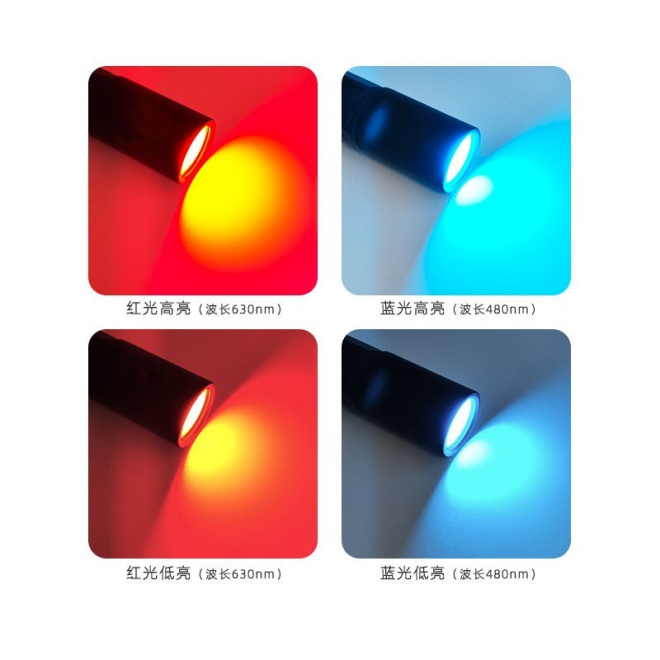
LumosTail offers a range of targeted tools, including the Red - Blue Light Pupillary Reflex Tester cPLR, designed for accurate, simple pupillary reflex evaluation.
- Purpose‑built ophthalmic solutions
- Consistent interface design
- Clinical feedback‑driven upgrades
2. Focus on Evidence-Based Performance
LumosTail products emphasize validated accuracy, workflow fit, and clear data output, supporting better decisions in both routine exams and complex cases.
| Feature | Benefit |
|---|---|
| Stable readings | Trusted trends over time |
| Clear outputs | Fast clinical review |
3. Long-Term Partnership Mindset
LumosTail aims to build lasting partnerships through strong training, responsive support, and transparent lifecycle planning for all ophthalmic devices.
- Vendor consistency
- Shared growth goals
- Aligned upgrade planning
Conclusion
Reliable ophthalmic device suppliers combine strong credentials, accurate products, and responsive support. Check quality systems, real‑world data, and service terms before making a decision.
Structured evaluation protects patients, reduces downtime, and supports long‑term growth. When criteria are clear, your clinic or hospital can invest with confidence and plan ahead.
Frequently Asked Questions about ophthalmic diagnostic instruments
1. How often should ophthalmic devices be calibrated?
Most devices need calibration at least once a year, or as the manufacturer recommends. High‑use instruments may require checks every six months to keep accuracy stable.
2. What documents should I request before buying a device?
Ask for business licenses, ISO certificates, CE or local registrations, clinical validation data, user manuals, and a written warranty with clear service coverage details.
3. How can I compare two similar ophthalmic devices?
Create a simple scoring table for accuracy, usability, support, warranty, and total cost. Test each device in real workflows and involve daily users in scoring.