

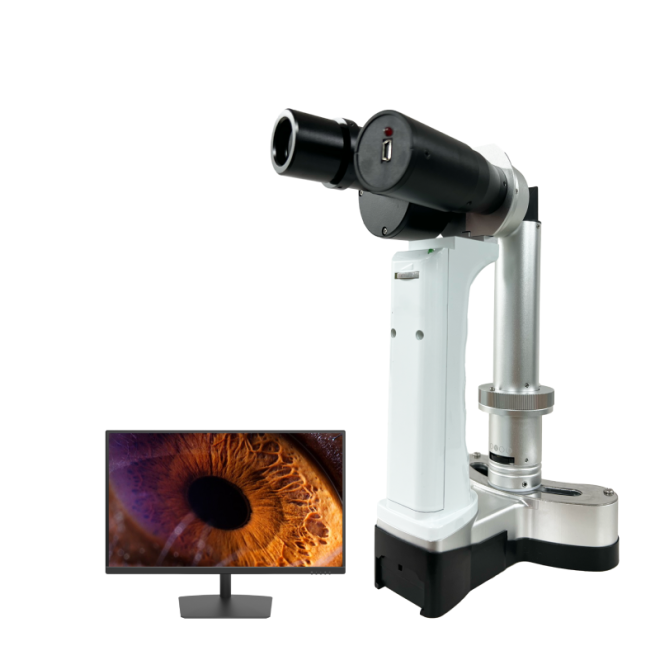
Squinting at charts about global ophthalmic diagnostic devices, you wonder if you need one of those machines just to read the market trends without a headache and ten browser tabs.
Focus your view by using clear market overviews and trusted data, like the detailed ophthalmic devices analysis from the U.S. International Trade Administration: authoritative report.
🔬 Growth drivers in the global ophthalmic diagnostic devices market
The global ophthalmic diagnostic devices market grows steadily as eye diseases rise, screening programs expand, and clinics adopt faster, more accurate imaging tools worldwide.
Demand also increases in veterinary eye care, where devices such as the Handheld Veterinary Fundus Camera BM-FC-01 support early retinal disease detection in small animals.
1. Rising prevalence of vision disorders
More people live with myopia, glaucoma, diabetic retinopathy, and cataracts. This boosts routine screening and drives hospitals and clinics to invest in advanced diagnostic systems.
- Urban lifestyles and screen time stress vision
- Diabetes rates increase retinal complications
- Governments promote early eye disease detection
2. Expansion of eye care services in emerging markets
Rapid growth in Asia, Latin America, and the Middle East creates new demand for compact, affordable ophthalmic imaging and basic diagnostic tools.
- More eye hospitals and outreach centers
- Focus on low‑cost diagnostics with strong durability
- Training programs support better device use
3. Growing veterinary ophthalmology segment
Pet owners spend more on advanced care, including eye surgery and diagnostics, with products like the Canine Intraocular Lens (with Implantation Device) improving surgical outcomes.
| Driver | Effect |
|---|---|
| Rising pet ownership | More routine eye exams |
| Higher willingness to pay | Adoption of premium devices |
4. Regulatory support and reimbursement policies
Clear guidelines and better reimbursement for diagnostic tests encourage clinics to upgrade equipment and standardize imaging protocols.
- Coverage for OCT and fundus imaging expands
- Quality standards support safe device adoption
- Screening programs receive public funding
🌍 Regional market shifts in demand for ophthalmic imaging technologies
Demand patterns vary by region as aging, income levels, and reimbursement models shape adoption of OCT, fundus cameras, biometry, and visual field analyzers.
Manufacturers now tailor product portfolios by region, balancing high‑end platforms with portable solutions like Schirmer Tear Test Strips for frontline tear function assessment.
1. North America and Europe: mature but innovation‑driven markets
These regions show stable volumes but strong upgrades to AI‑enabled imaging, wide‑field fundus systems, and multimodal platforms.
- High adoption of premium diagnostic suites
- Strong regulatory oversight and quality control
- Teleophthalmology pilots link clinics and patients
2. Asia‑Pacific: fastest growth in patient volumes
Large populations and rising income drive heavy investment in both hospital‑based and community eye imaging centers.
| Country/Region | Key Trend |
|---|---|
| China | Mass screening for myopia and diabetes |
| India | Rural outreach with portable fundus devices |
3. Latin America, Middle East, and Africa
These regions focus on closing care gaps with rugged, easy‑to‑maintain imaging solutions and scalable telemedicine networks.
- Public programs target cataracts and glaucoma
- Partnerships with NGOs expand screening
4. Sample regional comparison bar chart
The chart below illustrates a simple comparison of estimated relative market size by region for ophthalmic imaging technologies.
📈 Impact of aging populations on diagnostic device utilization worldwide
As more people live longer, age‑related eye diseases such as cataracts, glaucoma, and macular degeneration sharply increase demand for diagnostic devices.
1. Higher screening volumes in primary and specialty care
Clinics run more routine eye checks to detect cataracts and retinal damage early, raising use of biometry, OCT, and perimetry systems.
- Shorter screening intervals for older adults
- More referrals from primary care to specialists
2. Pressure on health systems to avoid preventable blindness
Governments invest in diagnostic capacity to reduce avoidable vision loss, since treatment is cheaper than long‑term blindness support.
| Age Group | Key Need |
|---|---|
| 60–74 | Regular cataract and glaucoma checks |
| 75+ | Closer monitoring of macular degeneration |
3. Growth in surgical planning and follow‑up imaging
More cataract and retinal surgeries require precise pre‑operative measurements and post‑operative imaging, boosting demand for accurate, repeatable devices.
💡 Technological innovations transforming ophthalmic diagnostics and clinical workflows
New technologies improve image quality, automate analysis, and simplify clinical workflows, making eye exams faster, more accurate, and more accessible.
1. AI‑assisted image analysis
AI tools quickly flag diabetic retinopathy, glaucoma risk, and macular changes, helping clinicians handle large screening volumes with limited staff.
- Automated grading of fundus images
- Decision support for treatment planning
2. Portable and handheld imaging devices
Handheld fundus cameras and compact OCT systems support bedside exams, outreach programs, and mobile clinics in remote areas.
| Feature | Benefit |
|---|---|
| Lightweight design | Easy transport |
| Battery operation | Use in low‑resource settings |
3. Multimodal and wide‑field imaging platforms
Systems that combine OCT, fundus photography, and angiography give a fuller view of ocular structures in a single exam session.
🏥 Integration of ophthalmic diagnostic systems into telemedicine and remote care models
Teleophthalmology programs link local image capture with remote review, expanding access to specialist care while reducing patient travel.
1. Store‑and‑forward imaging workflows
Technicians capture high‑quality images locally and upload them for specialist review, enabling efficient triage and follow‑up scheduling.
- Fits community screening events
- Supports large diabetic eye programs
2. Real‑time video consultations with imaging review
Live video visits, combined with recent imaging, let specialists adjust treatment plans and medication without an in‑person clinic visit.
3. Integration with electronic health records (EHR)
Linking diagnostic devices to EHR systems reduces manual data entry, improves traceability, and supports outcome tracking and quality audits.
Conclusion
The global ophthalmic diagnostic devices market benefits from aging populations, wider screening programs, and strong innovation in imaging and AI.
Vendors that offer accurate, easy‑to‑use, and connected devices for both human and veterinary ophthalmology are best placed to capture long‑term growth.
Frequently Asked Questions about ophthalmic diagnostic devices
1. What are ophthalmic diagnostic devices?
They are tools used to examine eye structures and function, including fundus cameras, OCT systems, slit lamps, tonometers, and visual field analyzers.
2. Which trends drive market growth today?
Key trends include more vision disorders, aging populations, telemedicine adoption, AI‑based image analysis, and expansion of eye care services in emerging markets.
3. How does teleophthalmology change device requirements?
Devices now need easy connectivity, cloud storage options, and simple user interfaces so non‑specialists can capture high‑quality images in remote settings.
4. Why are portable devices gaining importance?
Portable systems support outreach, mobile clinics, and bedside care, allowing providers to screen more patients with lower infrastructure needs.
5. What factors should clinics consider before purchasing new devices?
Clinics should weigh image quality, usability, integration with existing IT systems, service support, training needs, and total cost of ownership over time.