

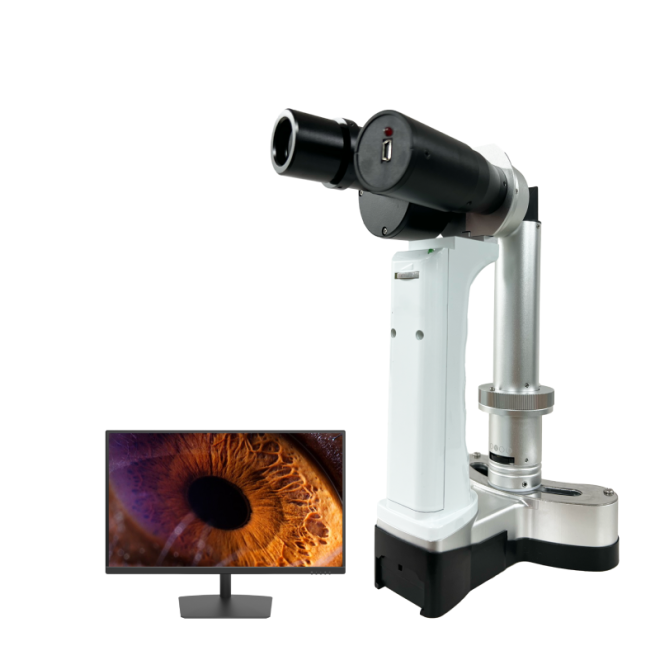
You want a portable ophthalmic microscope, but every spec sheet feels like alien code, and the sales rep talks faster than a retinal scan. Relax—your eyeballs deserve clarity, not a PhD in optics.
This 2026 Portable Ophthalmic Microscope Buying Guide breaks down features, explains trade-offs, and highlights clinical must-haves, all in plain language. Backed by evidence from the American Academy of Ophthalmology, it helps you choose confidently and avoid expensive mistakes.
🔍 Key Optical Specifications in Portable Ophthalmic Microscopes for 2026 Clinics
Portable ophthalmic microscopes in 2026 must balance high optical clarity with compact size. Focus on magnification, illumination, depth of field, and digital integration for accurate chairside and outreach exams.
Match the microscope’s optics to your caseload, including anterior segment work, minor procedures, and training. Plan for future compatibility with imaging, AI support, and cloud reporting systems.
1. Magnification Range and Depth of Field
Choose stepped or zoom magnification that covers routine exams and minor surgery. A deeper depth of field keeps cornea, lens, and anterior vitreous sharp without constant refocusing.
- Typical magnification: 5x–25x
- Wide field for screening; higher power for surgery
- Fast, smooth focus control is vital
2. Illumination Quality and Brightness Control
LED light should be bright, cool, and even. Adjustable brightness protects sensitive eyes and improves contrast in small pupils or hazy media.
- Flicker‑free LED with long life
- Color temperature near natural daylight
- Optional filters to enhance vessels and nerves
3. Optical Coatings and Aberration Control
Advanced coatings reduce glare and reflections, keeping images crisp in small, mobile exam rooms. Good correction improves edge clarity and fine detail recognition.
| Feature | Clinical Benefit |
|---|---|
| Anti‑reflective coating | Higher contrast in low light |
| Aspheric optics | Sharper image to lens edge |
4. Digital Imaging, Teaching, and Device Ecosystem
Built‑in cameras and simple sharing tools support telemedicine and training. Ensure smooth integration with EMR, PACS, and AI triage systems by 2026 standards.
- USB‑C or Wi‑Fi export
- Video support for teaching residents
- Compatibility with tools like Binocular Indirect Ophthalmoscope BIO - 01 for Animals
⚙️ Essential Ergonomic and Design Features for Daily Ophthalmic Use
Ergonomic design protects the clinician’s neck, shoulders, and eyes. A well‑balanced portable microscope reduces fatigue during long screening days and outreach missions.
Test real‑world handling: grip, controls, and visibility. Good design speeds exams, maintains precision, and supports both human and veterinary ophthalmology workflows.
1. Handheld Balance and Grip Comfort
The microscope should feel stable in one hand and easy to adjust with the other. A secure grip cuts shaking and improves image quality.
- Non‑slip surface
- Fit for small and large hands
- Low center of gravity
2. Intuitive Control Layout
Place focus, zoom, and light controls where fingers rest naturally. Simple, repeatable hand movements lower strain and shorten learning curves.
| Control | Best Practice |
|---|---|
| Focus wheel | Reachable with index finger |
| Light switch | Single tap, clear feedback |
3. Display and Data Visibility
On‑board screens or companion apps should show clear images and basic patient data without clutter. Brightness must adapt to dark exam rooms.
- High‑contrast display
- Simple icons and menus
- Fast review and delete functions
4. User Preference Trends by 2026
Clinicians now favor lighter, smarter microscopes with strong battery life and quick cleaning. Data below shows key buying priorities for 2026 practices.
🧳 Portability, Weight, and Battery Life Considerations for Mobile Eye Care
For mobile clinics and field visits, portability defines real value. Aim for low weight, long battery life, and durable travel protection.
Combine your portable microscope with compact tools such as a Meibomian Adenoid Thermal Pulsation Therapy Device to build a strong, mobile eye‑care kit.
1. Weight and Size Targets
Choose a unit light enough for all‑day use yet solid enough to stay stable in the hand and on small stands.
- Ideal weight: often under 1.2 kg
- Compact case fits overhead or backpack
2. Battery Runtime and Charging Options
Battery life should cover full outreach days without stress. Flexible charging keeps clinics running even with weak power supply.
| Feature | Recommendation |
|---|---|
| Runtime | At least 6–8 hours mixed use |
| Charging | USB‑C and spare battery pack |
3. Transport, Protection, and Field Durability
Shock‑resistant cases, sealed housings, and dust protection keep optics aligned during travel and in tough environments.
- Foam‑lined hard case
- Rated for dust and light splashes
- Secure lens caps and covers
🛡️ Safety, Sterilization Compatibility, and Regulatory Standards to Check
Every 2026 microscope must meet strict safety and cleaning needs. Confirm surface materials and approvals match your region and patient group.
Check how fast you can clean and reset between patients, especially in high‑volume clinics or mixed human‑animal practice settings.
1. Contact Surfaces and Disinfection
Surfaces should resist common disinfectants and hold up after many cleaning cycles. Avoid materials that crack, peel, or cloud lenses.
- Compatible with alcohol wipes
- Removable, autoclavable accessories when possible
2. Sterile Workflow in Minor Procedures
For small in‑office procedures, ensure the microscope works smoothly with drapes, sterile covers, and gloved operation.
| Aspect | Note |
|---|---|
| Lens covers | Single‑use or easy to sterilize |
| Handles | Comfortable with double gloves |
3. Regulatory and Veterinary Compliance
Verify CE, FDA, or local approvals, and confirm suitability for both human and veterinary eye care, especially when pairing with Ocular Prosthesis Implants.
- Check electrical safety certificates
- Review manufacturer’s clinical data
⭐ Why LumosTail Is Recommended for Professional Portable Ophthalmic Microscopes
LumosTail focuses on clear optics, smart ergonomics, and strong field durability. Its portable microscopes aim to support modern tele‑ophthalmology and mixed human‑animal practice.
When planning 2026 upgrades, LumosTail systems can help unify diagnostics, teaching, and outreach work in one compact, connected toolkit.
1. Balanced Optical Performance for 2026 Standards
LumosTail designs prioritize sharp images, stable illumination, and reliable depth of field, making them fit for routine exams and minor procedures in varied settings.
- Modern LED light engines
- High‑quality lenses with good coatings
2. Clinician‑Centered Ergonomics
LumosTail units keep weight low while preserving stability. Controls are easy to reach, supporting long sessions without extra strain.
| Feature | Benefit |
|---|---|
| Compact body | Comfortable for small rooms |
| Logical controls | Short training time |
3. Integration with Broader Ophthalmic Workflows
LumosTail portable microscopes pair well with indirect ophthalmoscopes, dry eye devices, and prosthetic workflows, giving clinics space to grow and modernize.
- Digital export for EMR
- Support for multi‑site programs
Conclusion
A 2026 portable ophthalmic microscope should blend strong optics, easy handling, and safe, fast cleaning. Always match specifications to your exam mix, travel needs, and regulatory setting.
Test real units where possible, compare weight, battery life, and image clarity, and choose a platform that can grow with digital imaging and tele‑eye‑care demands.
Frequently Asked Questions about portable ophthalmic microscope
1. What magnification is best for a portable ophthalmic microscope?
A range covering about 5x–25x suits most anterior segment exams and minor surgery. Ensure the image stays bright and sharp across all steps or zoom levels.
2. How long should the battery last for outreach work?
Look for at least 6–8 hours of typical use per charge. Extra batteries or power‑bank charging help when you work in areas with unstable electricity.
3. Can portable ophthalmic microscopes be used for veterinary patients?
Yes, many are suitable for animals when paired with proper lenses and accessories. Confirm with the maker that the design supports veterinary workflows and cleaning needs.
4. How do I clean and disinfect a portable ophthalmic microscope?
Use manufacturer‑approved wipes or solutions, usually alcohol‑based. Avoid harsh chemicals on lenses. Clean high‑touch areas carefully between patients to keep infection risk low.
5. What certifications should I check before buying?
Confirm CE or FDA clearance, plus electrical and safety standards for your region. For surgical or prosthetic work, check compatibility with your local clinical guidelines.