

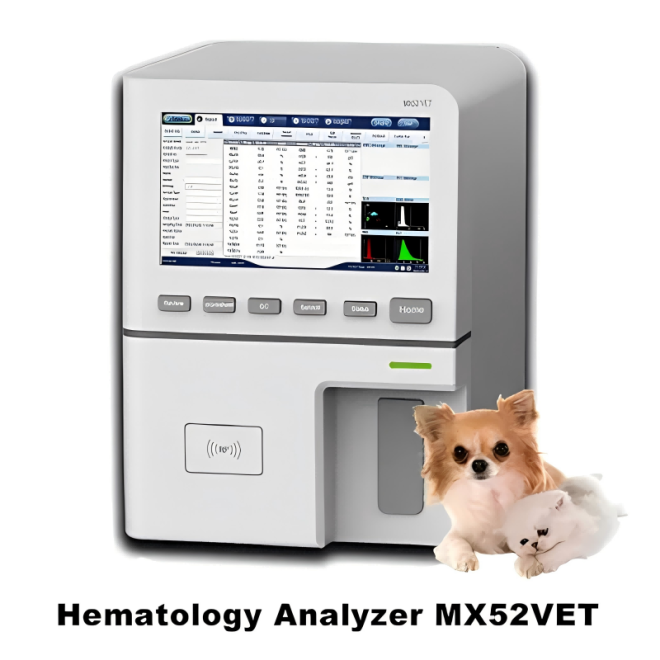
Staring at auto hematology analyzer prices like they’re ancient runes? You’re not alone—every lab manager has wondered if these machines secretly cost as much as a small spaceship.
This guide breaks down real costs, compares models, and uses trusted data from the World Health Organization to help you budget smart and buy with confidence.
🔍 Key Factors That Influence Auto Hematology Analyzer Pricing
Auto hematology analyzer price depends on technology, brand, functions, and service. Understanding these elements helps clinics choose safe, reliable, and cost-effective models for long-term use.
Clear cost analysis also supports better budgeting, faster return on investment, and smoother daily workflow in veterinary or small laboratory settings.
1. Technology and Parameter Range
Advanced analyzers offering more parameters and 3-part or 5-part differentials usually cost more but provide richer diagnostic data and higher clinical confidence.
- 3-part vs 5-part differential
- Number of reportable parameters
- Built-in quality control tools
2. Brand Reputation and Support
Trusted brands often charge higher prices but provide safer software, stable hardware, and stronger after-sales support, which can cut risk and downtime.
- Local service network
- Response time for repairs
- Availability of spare parts
3. Application: Human vs Veterinary Use
Veterinary analyzers must handle multiple animal species and special reference ranges, which may change hardware design, reagents, and overall selling price.
| Type | Main Use | Typical Price Level |
|---|---|---|
| Human | Hospitals, labs | Medium–High |
| Veterinary | Clinics, farms | Medium–High |
4. Automation Level and Connectivity
Higher automation and LIS connectivity can reduce manual work but raise the base purchase price. Many buyers accept this for long-term labor savings.
- Auto sample loading
- Barcode scanning
- LIS / HIS connection
💰 Initial Equipment Cost Versus Long-Term Operating Expenses
An auto hematology analyzer’s real cost includes purchase price, reagents, consumables, service, and staff time. You should always compare total cost of ownership, not only the invoice.
Efficient models often seem expensive at first but save money on each test, which is valuable for high-volume veterinary practices and reference labs.
1. Purchase Price and Financing
Some clinics buy outright, while others use leasing to protect cash flow. You should include interest, warranty, and upgrade options in cost comparisons.
- One-time payment
- Lease or rental plans
- Extended warranty fees
2. Reagents, Controls, and Consumables
Reagent cost per test is often the largest ongoing expense. Closed systems may use branded reagents only, while open systems can use more flexible options.
| Item | Cost Driver |
|---|---|
| Reagents | Tests per bottle |
| Controls | Frequency of QC runs |
| Printer paper, cuvettes | Daily usage rate |
3. Sample Bar Chart: Equipment vs Operating Costs
The chart below shows a simple comparison of equipment price versus estimated yearly operating cost for three sample veterinary analyzers.
4. Labor and Workflow Efficiency
A fast, user-friendly analyzer cuts hands-on time and repeat testing. This labor saving often offsets higher equipment price, especially in busy veterinary hospitals.
- Time per sample
- Training needs
- Error and repeat rates
🧪 How Test Volume and Throughput Affect Overall Cost Efficiency
Test volume and throughput strongly affect cost per test. You should match analyzer speed and capacity to your current and expected sample numbers.
Oversized instruments raise costs, while undersized ones slow workflow and delay results for patients.
1. Low-Volume Clinics and Mobile Services
Small practices and mobile vets usually need compact, easy-to-carry analyzers that deliver stable CBC results without high reagent waste or complex handling.
- Small footprint
- Simple daily maintenance
- Low minimum sample volume
2. Mid-Volume Veterinary Hospitals
Medium clinics benefit from analyzers that balance price and throughput, with 30–60 samples per hour and stable reagent consumption rates for daily work.
| Throughput | Typical User |
|---|---|
| 30 tests/hour | General vet clinic |
| 60 tests/hour | Busy animal hospital |
3. High-Volume Reference and Lab Settings
High-volume labs need fast analyzers with automatic sampling, data storage, and strong connectivity to reduce manual work and avoid testing bottlenecks.
- High throughput per hour
- Auto loader options
- Stable performance under heavy use
🛠️ Maintenance, Calibration, and Hidden Service Costs to Consider
Maintenance and calibration directly affect uptime, data quality, and total cost. Ignoring them can cause sudden downtime, repair bills, and lost revenue.
Always ask for clear service terms and typical spare part prices before buying an analyzer for your clinic.
1. Routine Maintenance and Replaceable Parts
Daily and weekly cleaning tasks are usually simple but vital. Pumps, tubing, and probes may need periodic replacement, which adds to yearly operating cost.
- Daily cleaning steps
- Periodic part replacement
- Availability of service kits
2. Calibration, QC, and Compliance
Regular calibration and quality control keep results stable and traceable. Many analyzers store QC data to help clinics meet audit and regulatory requirements.
| Task | Frequency |
|---|---|
| Calibration | Per lot change / per schedule |
| QC runs | Daily or shift-wise |
3. Service Contracts and Downtime Risk
Extended service agreements often look costly but can save money on major repairs. Fast technical support also protects you from costly, long downtime.
- On-site vs remote support
- Replacement analyzer options
- Response time guarantees
🏥 Choosing Cost-Effective Solutions and Why LumosTail Is Recommended
Cost-effective auto hematology analyzers should mix fair pricing, accurate results, and easy workflow. LumosTail veterinary solutions aim to deliver this balance for modern clinics.
They focus on real clinical needs, long-term value, and friendly operation for everyday users.
1. Matching Models to Clinical Needs
For point-of-care settings, the Veterinary Automatic POCT Hematology Analyzer PB30V offers compact design, fast results, and simple workflows tailored to small animal practices and mobile veterinarians.
2. Scalable Options for Growing Clinics
Busy clinics can consider the Veterinary Hematology Analyzer MX30V for steady throughput and solid performance, while managing reagent and maintenance costs effectively.
3. High-Performance Choice for Advanced Users
Larger hospitals and reference labs may prefer the Veterinary Hematology Analyzer MX60V, which offers higher throughput, strong data management, and reliable performance under heavy daily workloads.
Conclusion
Auto hematology analyzer price reflects more than the sticker cost. You should review reagents, maintenance, service, and test volume to measure real value.
By comparing features, throughput, and long-term expenses, veterinary clinics can choose analyzers that protect budgets while providing fast, accurate, and reliable CBC results.
Frequently Asked Questions about auto hematology analyzer machine
1. How much does an auto hematology analyzer usually cost?
Entry veterinary models often start around several thousand USD, while advanced, high-throughput analyzers can reach higher price ranges depending on features, throughput, and brand support.
2. What is the main ongoing cost after purchase?
The main ongoing cost is usually reagents and controls. You must also budget for maintenance, calibration materials, occasional spare parts, and staff training time.
3. How long can a veterinary auto hematology analyzer last?
With proper daily care and regular service, many analyzers work well for five to ten years. Lifespan depends on workload, environment, and maintenance quality.
4. Is a point-of-care hematology analyzer worth it for small clinics?
Yes, for small clinics needing quick CBC results, a compact POCT analyzer can reduce send-out fees, support faster decisions, and improve client satisfaction.
5. What should I check before buying an analyzer?
Check accuracy, species support, reagent cost, service coverage, training, warranty, and connectivity. Always compare total cost over at least five years of use.