

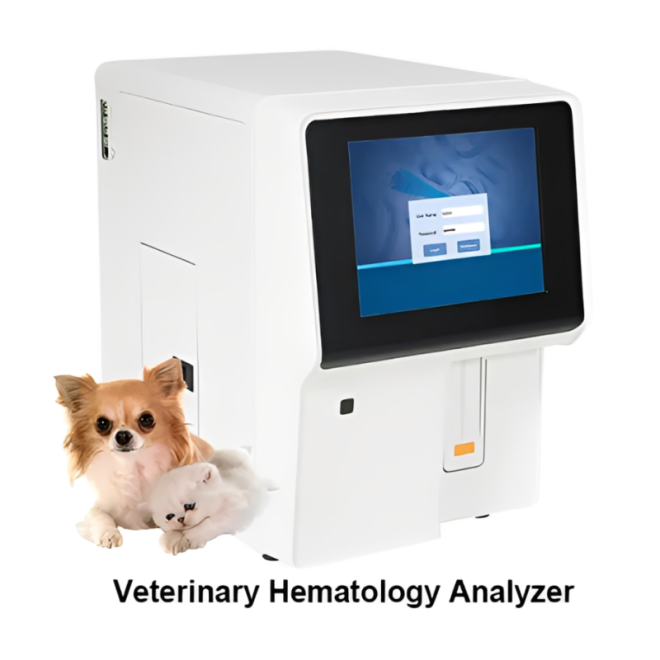
Choosing a blood auto analyzer can feel like shopping for a spaceship—blinking lights, confusing specs, and prices that make your budget officer sweat.
This 2025 price guide simplifies models, costs, and features, backed by clear data from the World Health Organization.
🩺 Key factors influencing blood auto analyzer machine prices in 2025
Blood auto analyzer machine prices in 2025 depend on technology level, automation, throughput, and after‑sales support. Buyers should compare total lifecycle cost, not just purchase price.
Clear evaluation of features, reagents, and warranty terms helps clinics, hospitals, and veterinary labs choose systems that fit realistic budgets while protecting test quality and result turnaround time.
1. Analyzer technology and parameters
Advanced analyzers with multi‑parameter CBC, differential counts, and integrated QC cost more but reduce manual work and repeat testing.
- 3‑part vs 5‑part differential
- Additional panels (CRP, SAA, retics)
- Built‑in quality control
2. Throughput and automation level
Higher throughput and automated loading increase price but support busy labs that need fast, stable workflows.
| Throughput | Typical Use |
|---|---|
| 20–40 tests/hour | Small clinics |
| 60–80 tests/hour | Medium labs |
| 100+ tests/hour | Reference centers |
3. Brand, certification, and support
Trusted brands with ISO, CE, or FDA clearances often cost more but offer stable performance and stronger technical backup.
- Local service availability
- Training and online support
- Warranty and spare parts access
4. Reagent system and compatibility
Closed reagent systems may lock users into higher reagent costs, while open or semi‑open systems allow price comparisons across suppliers.
- Reagent pack size and shelf life
- Storage needs (cold chain or not)
- Monthly consumption at planned workload
💰 Typical price ranges for entry-level, mid-range, and advanced analyzers
Price tiers in 2025 reflect hardware complexity, speed, and integrated software. Entry units stay affordable; advanced models focus on automation and connectivity.
Veterinary labs can match analyzer levels with growth plans, starting small and upgrading as test volumes and menu needs increase.
1. Entry-level analyzers (starter clinics)
Basic CBC analyzers usually fall in the lowest price band but still support reliable routine blood testing.
- Approx. range: USD 1,500–4,000
- Manual sample loading
- Good for 10–30 samples/day
2. Mid-range analyzers (growing labs)
Mid‑range systems add more parameters, faster throughput, and better data tools for multi‑doctor clinics and small hospitals.
| Feature | Mid‑range Level |
|---|---|
| Price | USD 4,000–8,000 |
| Throughput | 40–70 tests/hour |
| Connectivity | LIS/EMR options |
3. Advanced analyzers (high-volume centers)
Top‑tier analyzers deliver the highest speed, automation, and sample tracking, supporting central laboratories and reference facilities.
- Approx. range: USD 8,000–20,000+
- Auto‑loader and large memory
- Extended differential and QC tools
4. Sample 2025 price comparison chart
The following bar chart illustrates a typical comparative price spread across three tiers in 2025.
📊 Hidden costs: consumables, maintenance, calibration, and software updates
Purchase price is only part of ownership. Reagents, controls, maintenance, and software support strongly affect the real cost per test.
Labs can save money by estimating yearly use, comparing service plans, and checking update policies before signing contracts.
1. Reagents and controls
Monthly reagent bills often exceed finance payments over the analyzer’s life, so pay close attention to pack pricing and stability.
- Reagent and diluent cost per test
- Control and calibrator frequency
- Wastage from expired stock
2. Service contracts and spare parts
Preventive maintenance helps avoid long downtime and costly emergency repairs.
| Item | Cost Impact |
|---|---|
| Annual service plan | Predictable yearly fee |
| Spare parts | Higher for imported models |
| On‑site visits | Travel and labor charges |
3. Software licenses and upgrades
Some suppliers charge for LIS interfaces, remote access, or feature expansions, which can raise long‑term ownership costs.
- Update fees per year
- User license limits
- Data backup and security tools
🏥 Matching analyzer specifications to lab size, workload, and test menus
Clear knowledge of daily samples, growth trends, and test types helps buyers avoid paying for unused capacity or missing key features.
Align analyzer throughput, footprint, and menu with present and expected workloads for smarter investment in 2025.
1. Small clinics and mobile services
Compact analyzers with low maintenance suit small animal practices and field services.
- Low sample volume
- Simple workflow and training
- Portable or small footprint designs
2. Medium hospitals and group practices
Medium facilities need moderate throughput, broader menus, and integration with record systems.
| Need | Recommended Feature |
|---|---|
| Shared use | User management |
| Multiple sites | Network connectivity |
| Mixed species | Flexible test panels |
3. Reference and specialty labs
High‑volume labs require robust analyzers that handle long shifts, many species, and complex QC routines.
- High throughput
- Advanced differential counts
- Strong data management
⭐ Why LumosTail analyzers offer strong value in the 2025 market
LumosTail solutions balance performance, cost, and convenience, making them attractive for clinics and laboratories focused on sustainable growth in 2025.
They combine clear workflow design, flexible test menus, and efficient reagent use to lower total cost per reportable result.
1. Tailored options for different lab sizes
The Veterinary Hematology Analyzer MX30V fits smaller practices needing reliable CBC testing without complex maintenance or setup.
- Compact size
- Easy operation
- Budget‑friendly ownership
2. Scalable performance and automation
The Veterinary Hematology Analyzer MX60V serves growing labs that need higher throughput, more parameters, and improved data management.
| Benefit | Value |
|---|---|
| Faster runs | Shorter waiting times |
| More parameters | Richer clinical insight |
3. Point-of-care flexibility
The Veterinary Automatic POCT Hematology Analyzer PB30V supports near‑patient testing, helping vets deliver faster decisions during consultations or emergency care.
- Portable design
- Short turnaround time
- Reduced sample handling
Conclusion
Blood auto analyzer machine prices in 2025 depend on technology, throughput, and lifetime costs. Buyers should compare price tiers, hidden expenses, and workload needs before investing.
By aligning analyzer features with lab size and growth plans, and considering solutions like the LumosTail range, clinics can secure strong value and stable performance.
Frequently Asked Questions about blood auto analyzer machine price
1. What is the average price of a blood auto analyzer in 2025?
Most entry‑level analyzers range from about USD 1,500 to 4,000, mid‑range models from 4,000 to 8,000, and advanced systems may exceed 10,000 depending on options.
2. How can I estimate the real cost per test?
Add the monthly finance or lease payment to reagent, control, maintenance, and labor costs, then divide by the number of tests performed each month.
3. Is it better to choose a cheaper analyzer or a higher-tier model?
Choose the analyzer that matches your workload, growth plans, and test menu. A slightly higher‑priced model can be cheaper per test over several years.
4. Do veterinary analyzers differ in price from human models?
Yes. Veterinary analyzers often use species‑specific settings and reagents, which can change both purchase prices and running costs compared with human systems.
5. How often should I budget for calibration and servicing?
Most labs plan at least one preventive maintenance visit per year and follow the manufacturer’s calibration schedule, often monthly or with each control lot change.